Network Engineer Resume — Tailored to the Job, ATS-Ready
A network engineer resume should show the networks you designed and maintained, the scale and uptime you delivered, and the certifications behind your name — not that you are technically proficient. ATS filters hard on networking terminology and vendor names, so mirroring the posting matters.
What makes a strong network engineer resume
Certifications — CCNA, CCNP, or vendor credentials, listed up front.
Network scope — sites, users, devices, or bandwidth you were responsible for.
Reliability — uptime achieved, incidents reduced, or outages resolved.
Vendor and protocol match — Cisco, Juniper, BGP, OSPF, or whatever the posting names.
Generic AI vs. tailored to the role
Most tools pad a network engineer resume with competence-claims. Resumetion replaces them with concrete facts from your real experience.
Technically proficient network engineer with experience designing and maintaining reliable enterprise network infrastructure.
Redesigned a 12-site WAN to SD-WAN (Cisco Meraki), cutting circuit costs 35% and reducing branch outages from ~6/month to under 1 while supporting 1,400 users.
Keywords ATS looks for
Applicant tracking systems rank on terminology from the posting. These come up often for network engineer roles — include the ones that match your real experience.
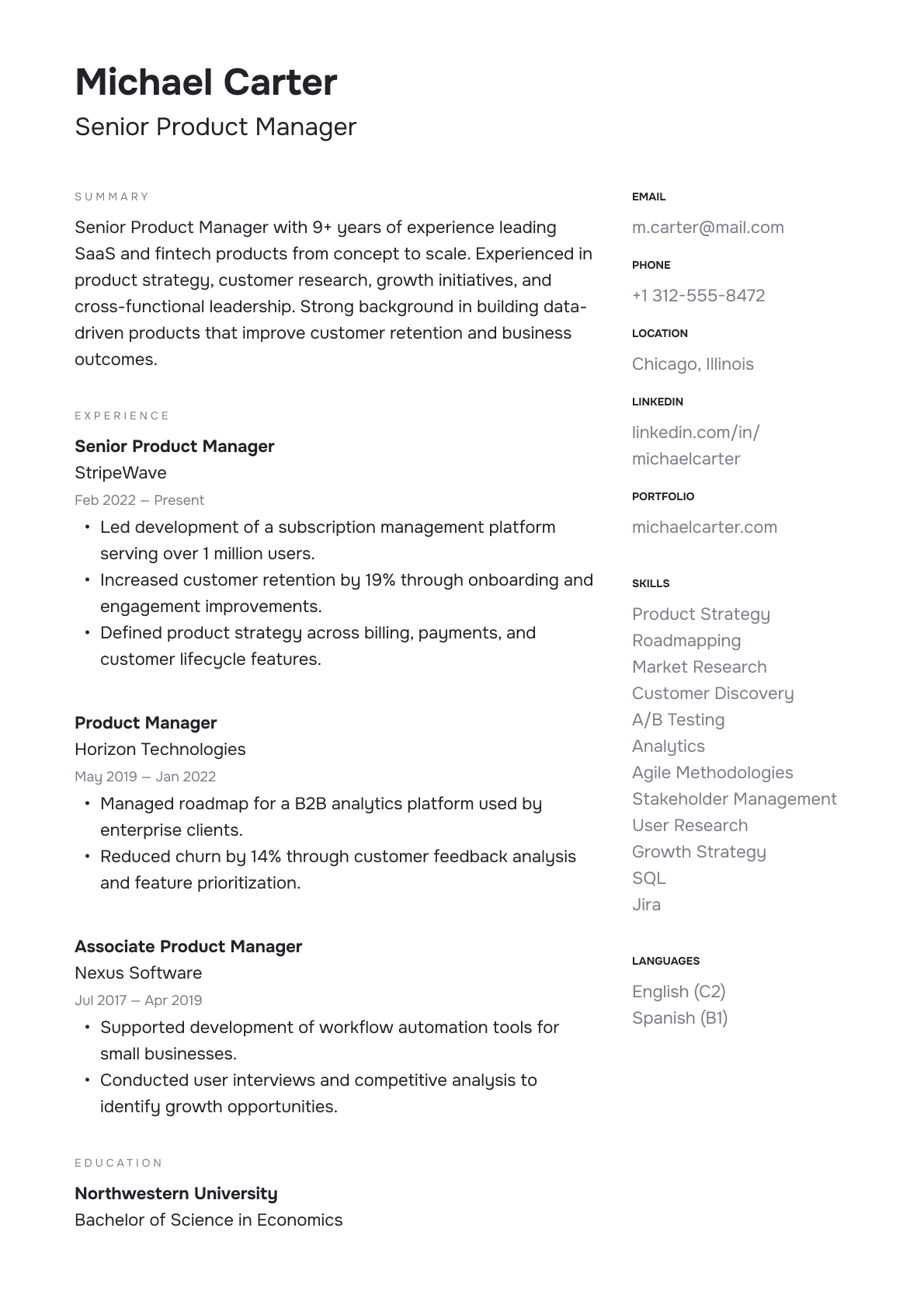
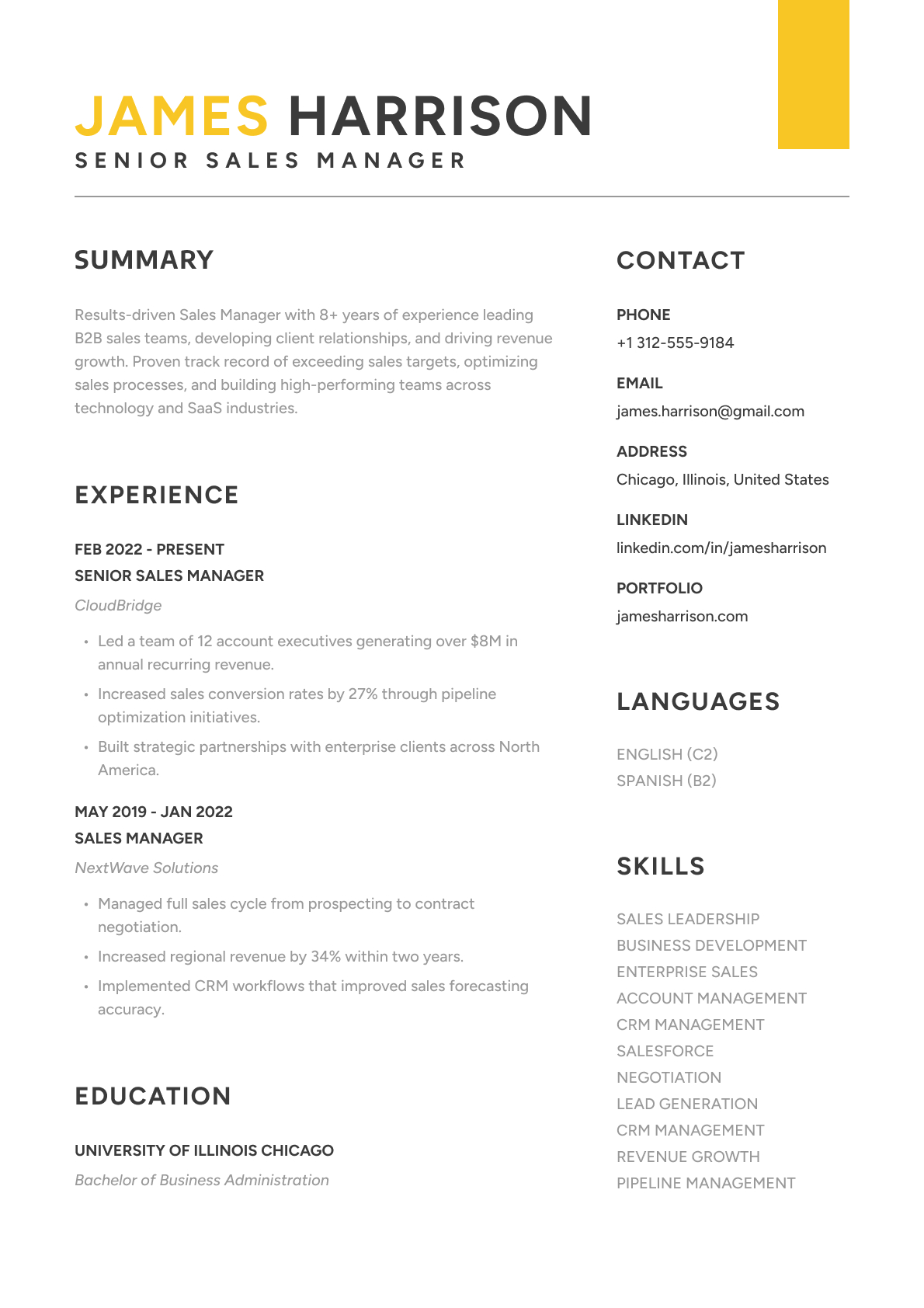
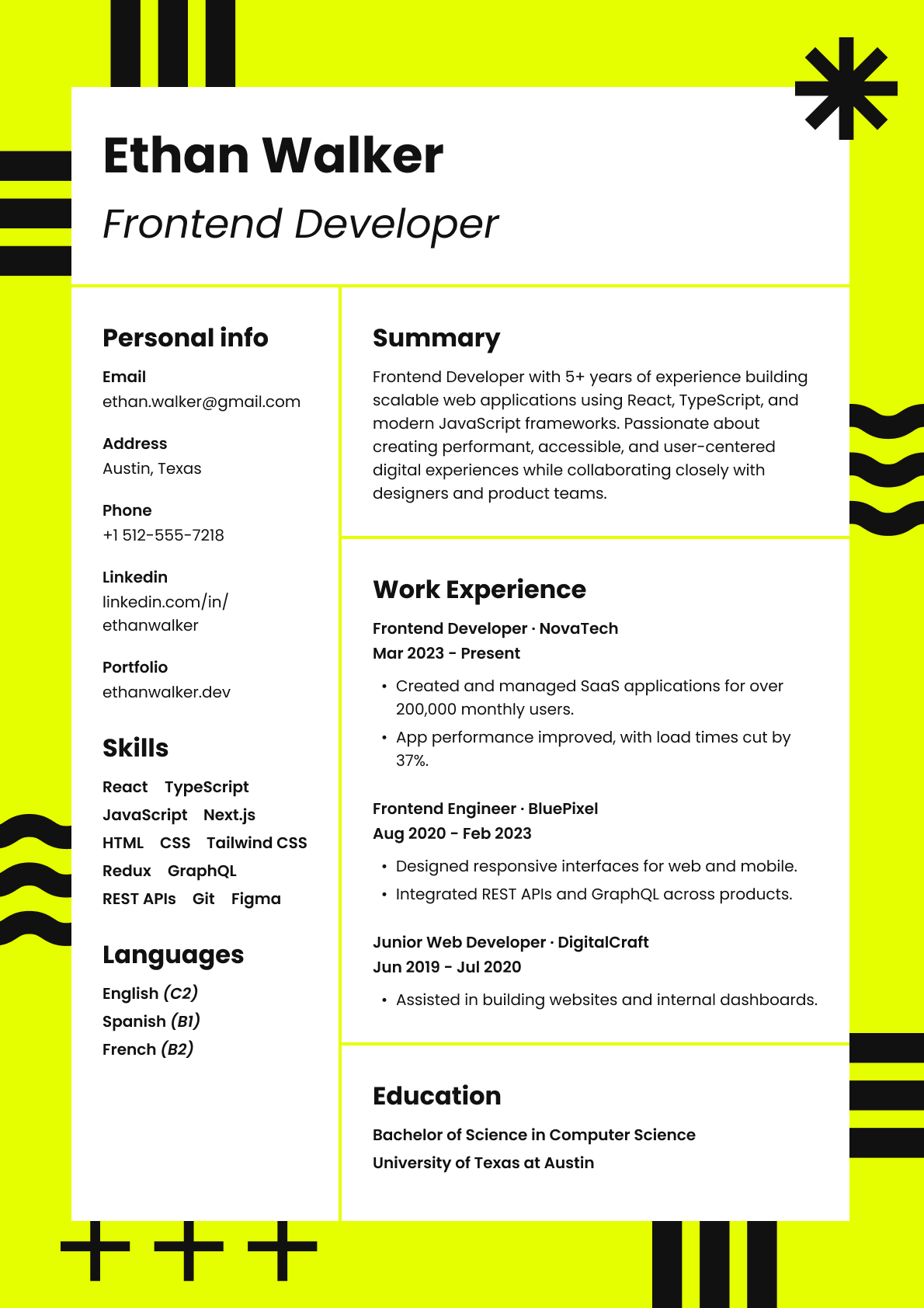
Templates that suit a network engineer resume
Network Engineer resume FAQ
Build your network engineer resume
Paste the job posting and your notes — get a keyword-aligned, ATS-ready resume in minutes. Preview free.
Build my resume