Backend Developer Resume — Tailored to the Job, ATS-Ready
A backend developer resume should show the systems you built behind the product: the APIs, the data models, the scale they handled, and the language they ran in. Recruiters and ATS scan for the exact stack in the posting, so a resume that names the right runtime and shows where you used it beats a wall of generic claims.
What makes a strong backend developer resume
Service and API work — what you built, the contract it exposed, and the consumers it served.
Scale and performance — throughput, latency, data volume, or concurrency you handled, with numbers.
Data layer — databases, schema design, caching, and query optimisation you owned.
Stack match — the exact language, framework, and infrastructure the posting names, shown in context.
Generic AI vs. tailored to the role
Most tools pad a backend developer resume with competence-claims. Resumetion replaces them with concrete facts from your real experience.
Skilled backend developer with experience building robust, scalable server-side applications and APIs using a variety of technologies.
Designed a payments API in Java/Spring processing 12k transactions/min, adding idempotency and retries that cut duplicate charges to near zero across 1.5M monthly orders.
Keywords ATS looks for
Applicant tracking systems rank on terminology from the posting. These come up often for backend developer roles — include the ones that match your real experience.
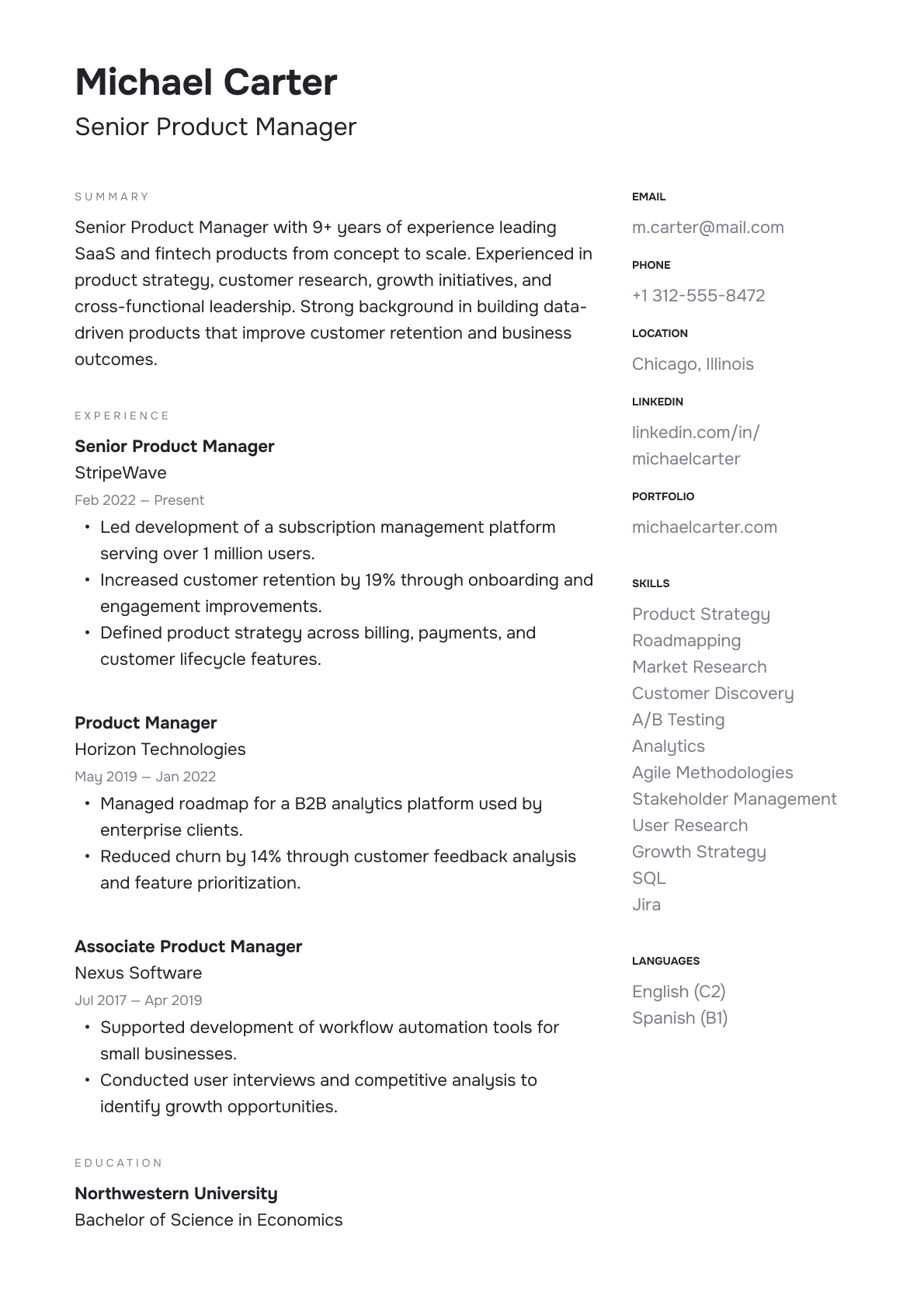
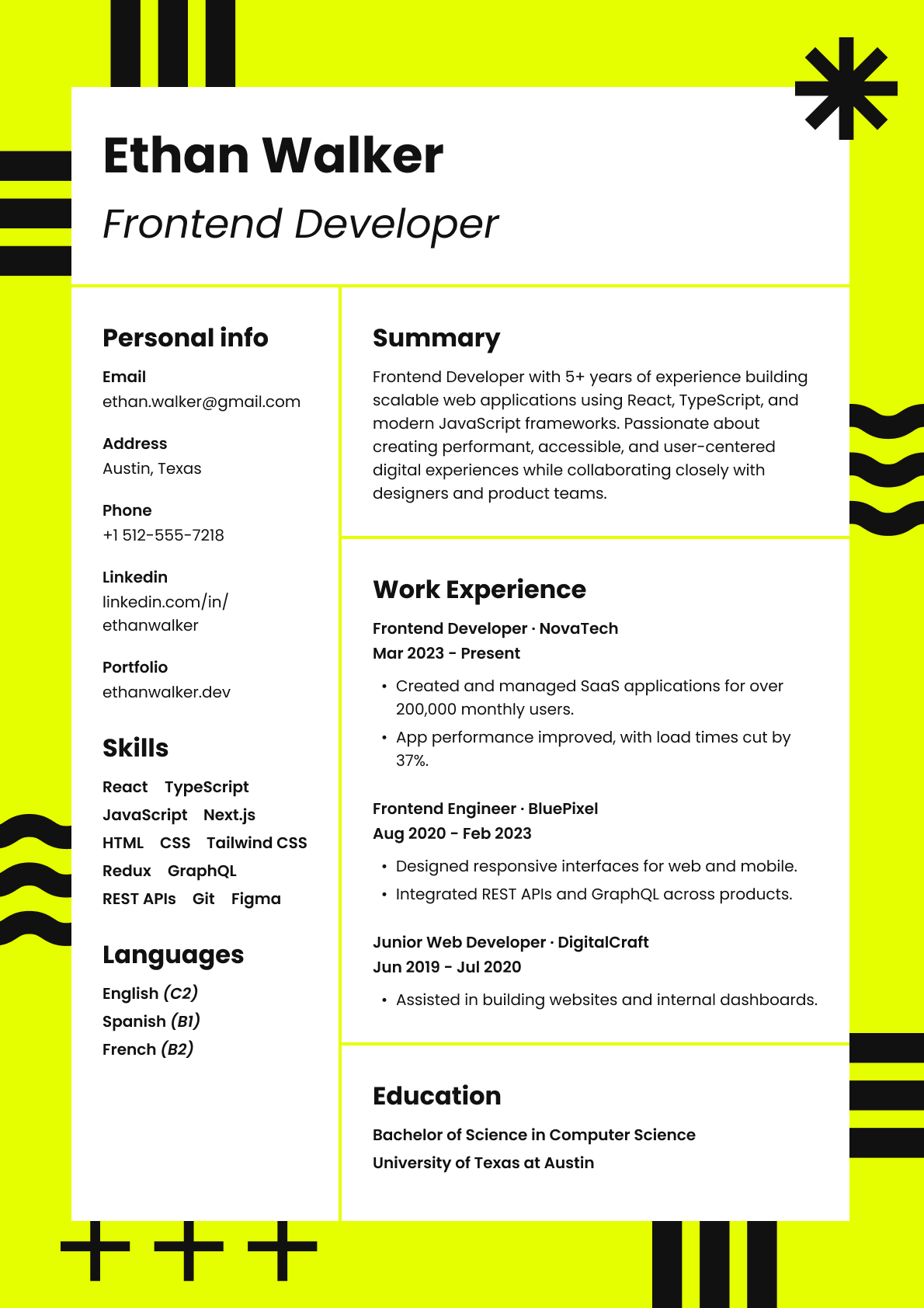
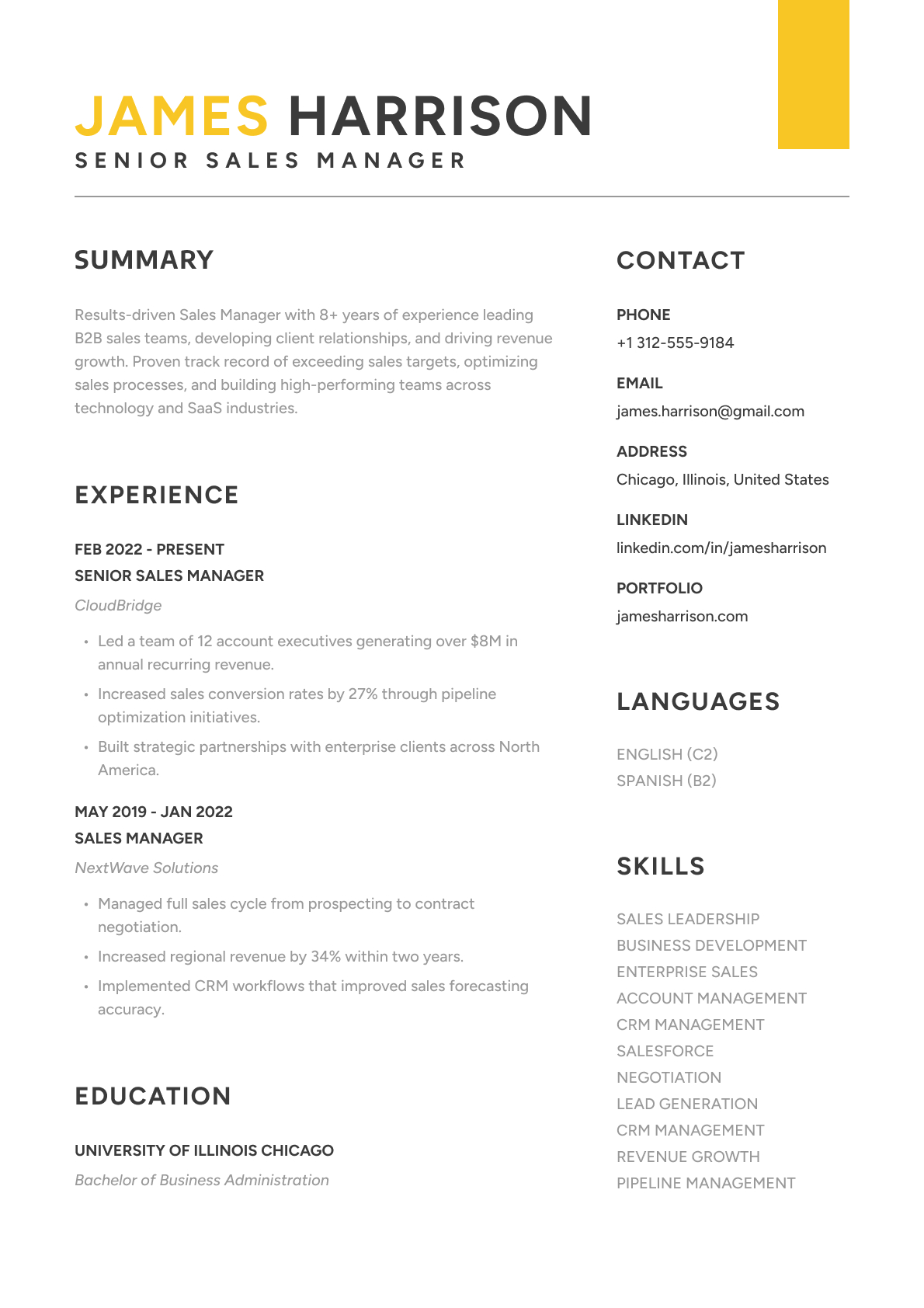
Templates that suit a backend developer resume
Backend Developer resume FAQ
Build your backend developer resume
Paste the job posting and your notes — get a keyword-aligned, ATS-ready resume in minutes. Preview free.
Build my resume