Cloud Engineer Resume — Tailored to the Job, ATS-Ready
A cloud engineer resume needs to show the platforms you built on, the scale you ran, and what you made cheaper or more reliable — not that you are experienced with cloud technologies. Recruiters and ATS scan for the exact provider and services in the posting, so naming the right stack and showing where you used it matters most.
What makes a strong cloud engineer resume
Provider depth — AWS, Azure, or GCP, with the specific services you actually operated.
Infrastructure as Code — Terraform, CloudFormation, or Pulumi work you owned.
Cost and reliability — spend reduced, uptime improved, or scale handled, with numbers.
Stack match — the provider, IaC tool, and orchestration the posting names.
Generic AI vs. tailored to the role
Most tools pad a cloud engineer resume with competence-claims. Resumetion replaces them with concrete facts from your real experience.
Experienced cloud engineer skilled in designing and managing scalable, reliable cloud infrastructure across multiple platforms.
Migrated 60 services to AWS ECS with Terraform-managed infrastructure, cutting monthly cloud spend 28% ($14k) and lifting deployment reliability to 99.95% uptime.
Keywords ATS looks for
Applicant tracking systems rank on terminology from the posting. These come up often for cloud engineer roles — include the ones that match your real experience.
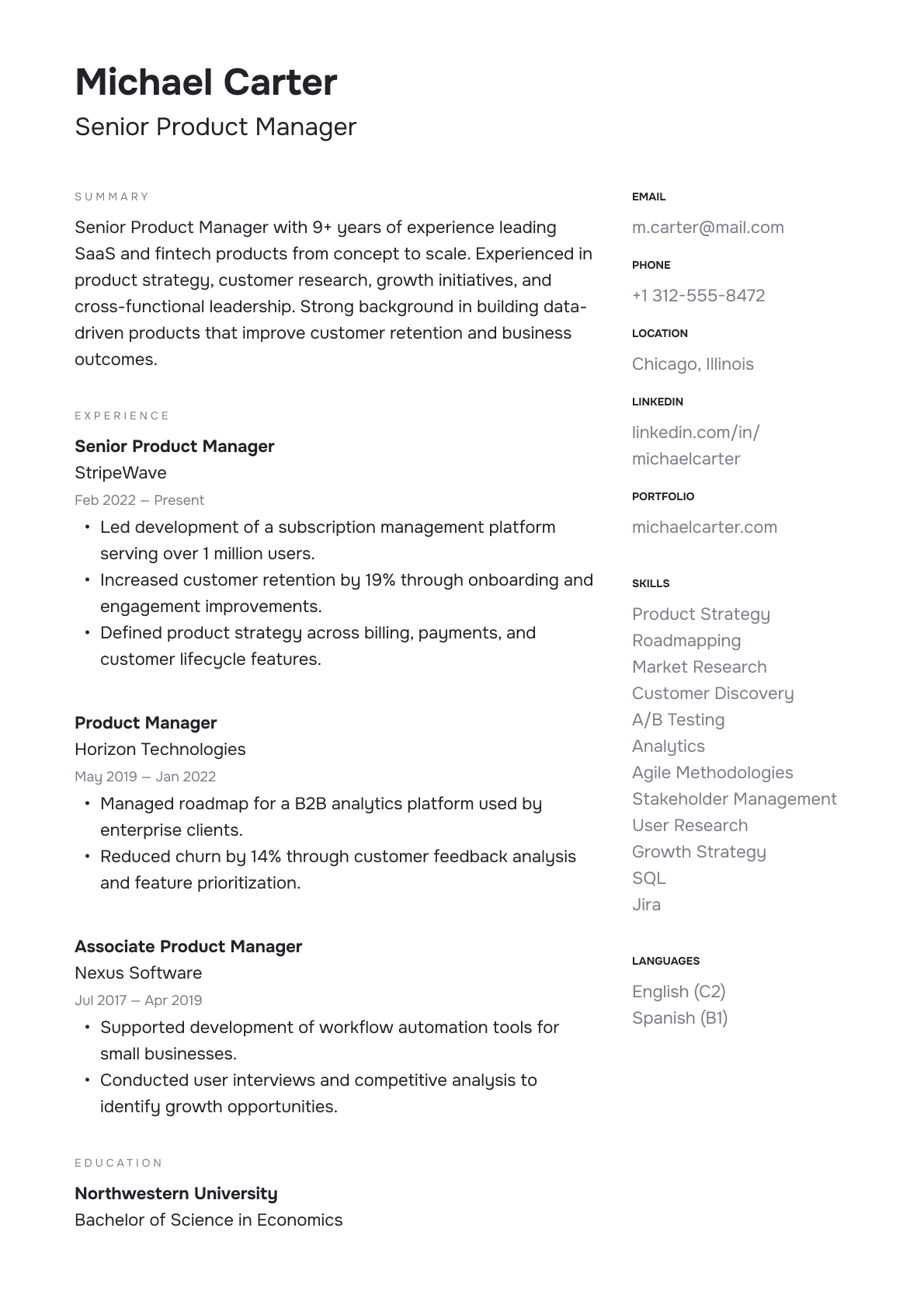
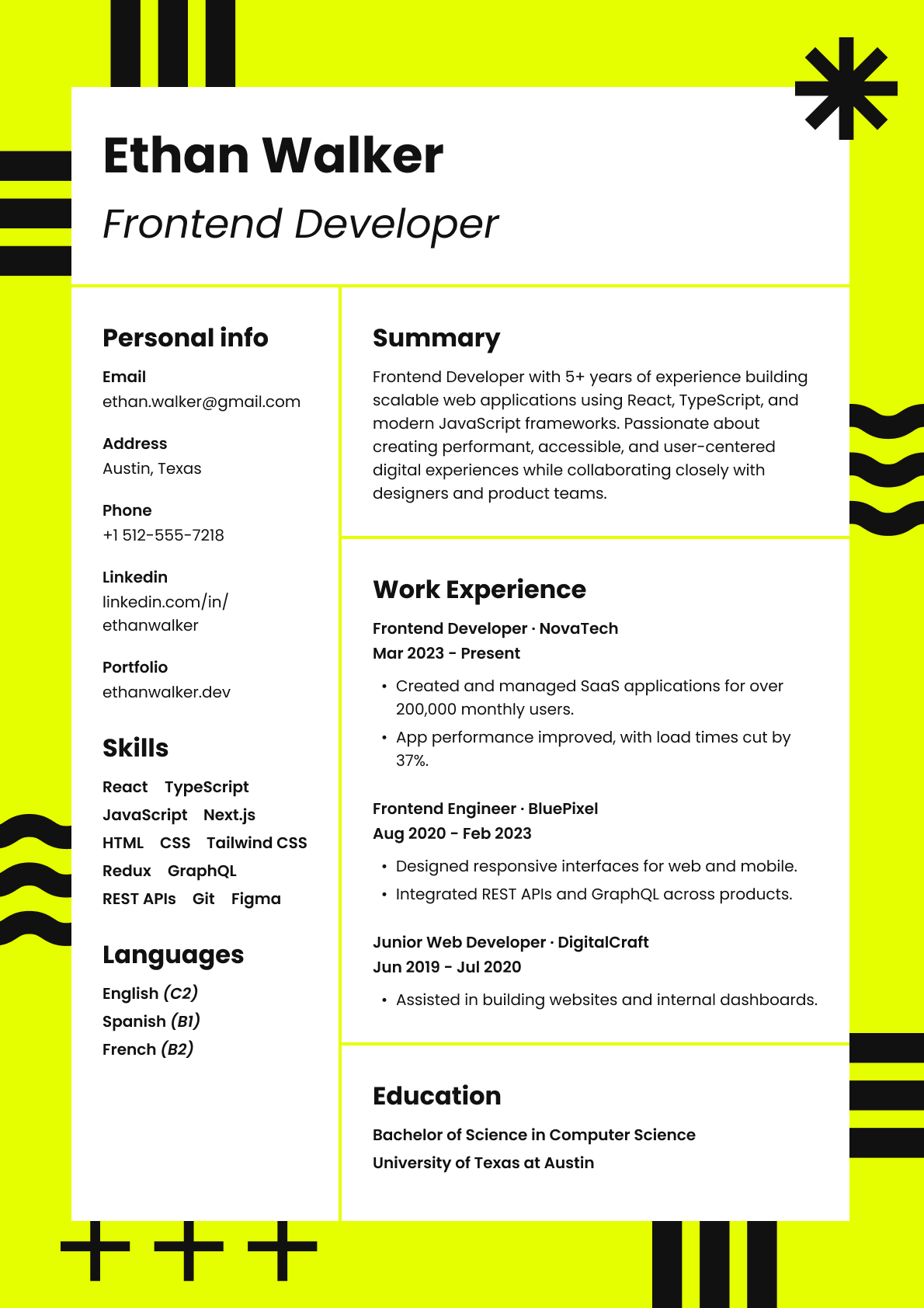
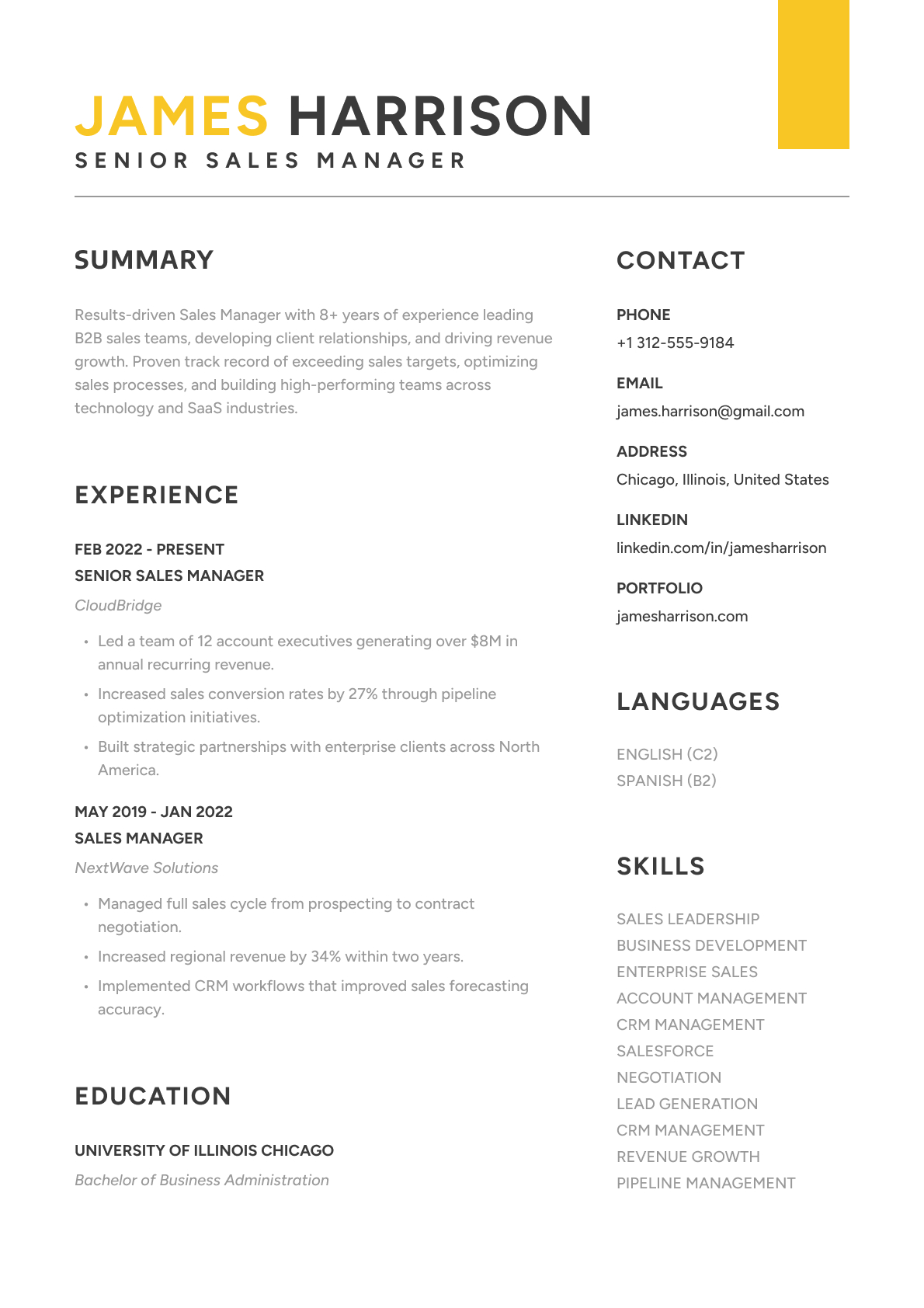
Templates that suit a cloud engineer resume
Cloud Engineer resume FAQ
Build your cloud engineer resume
Paste the job posting and your notes — get a keyword-aligned, ATS-ready resume in minutes. Preview free.
Build my resume