DevOps Engineer Resume — Tailored to the Job, ATS-Ready
A DevOps engineer resume needs to show what you automated, what you made more reliable, and with which tools — not that you are experienced with CI/CD pipelines. Hiring managers scan for the exact stack in the posting and evidence that you improved deployment speed, uptime, or cost.
What makes a strong devops engineer resume
Infrastructure scope — cloud provider, scale (clusters, services, regions), and ownership level (built vs. maintained).
Automation wins — deployment frequency, lead time, or toil reduced by pipelines and tooling you built.
Reliability record — SLA targets, incident reduction, or MTTR improvements you can point to.
Stack match — Kubernetes, Terraform, Helm, GitHub Actions, Datadog, or whatever the role lists.
Generic AI vs. tailored to the role
Most tools pad a devops engineer resume with competence-claims. Resumetion replaces them with concrete facts from your real experience.
Experienced DevOps engineer with a strong background in CI/CD, cloud infrastructure, and automation tools to support development teams.
Migrated a monolith to 18 Kubernetes microservices on GKE, cutting deploy time from 45 min to 6 min and reducing production incidents 60% in the following quarter.
Keywords ATS looks for
Applicant tracking systems rank on terminology from the posting. These come up often for devops engineer roles — include the ones that match your real experience.
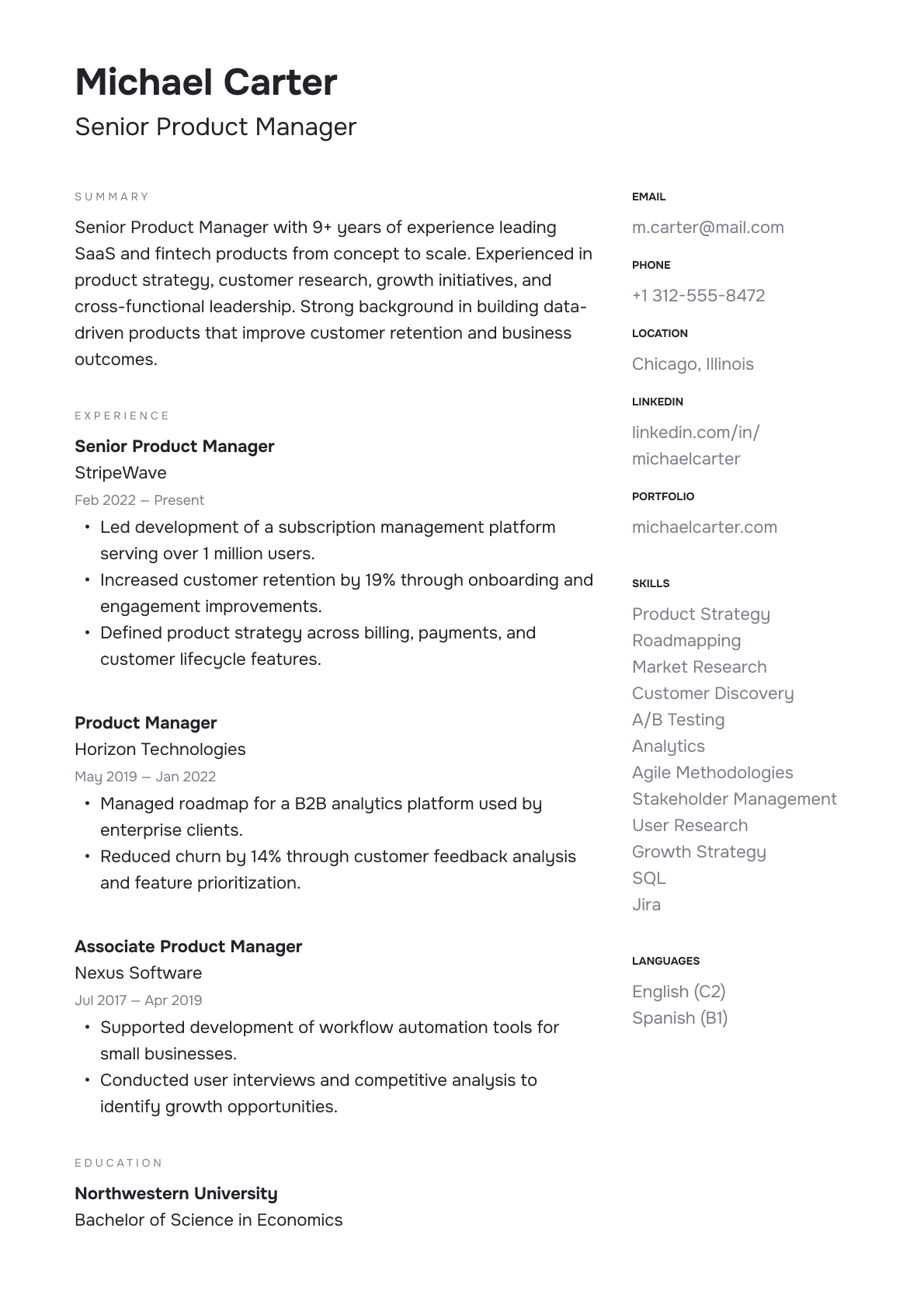
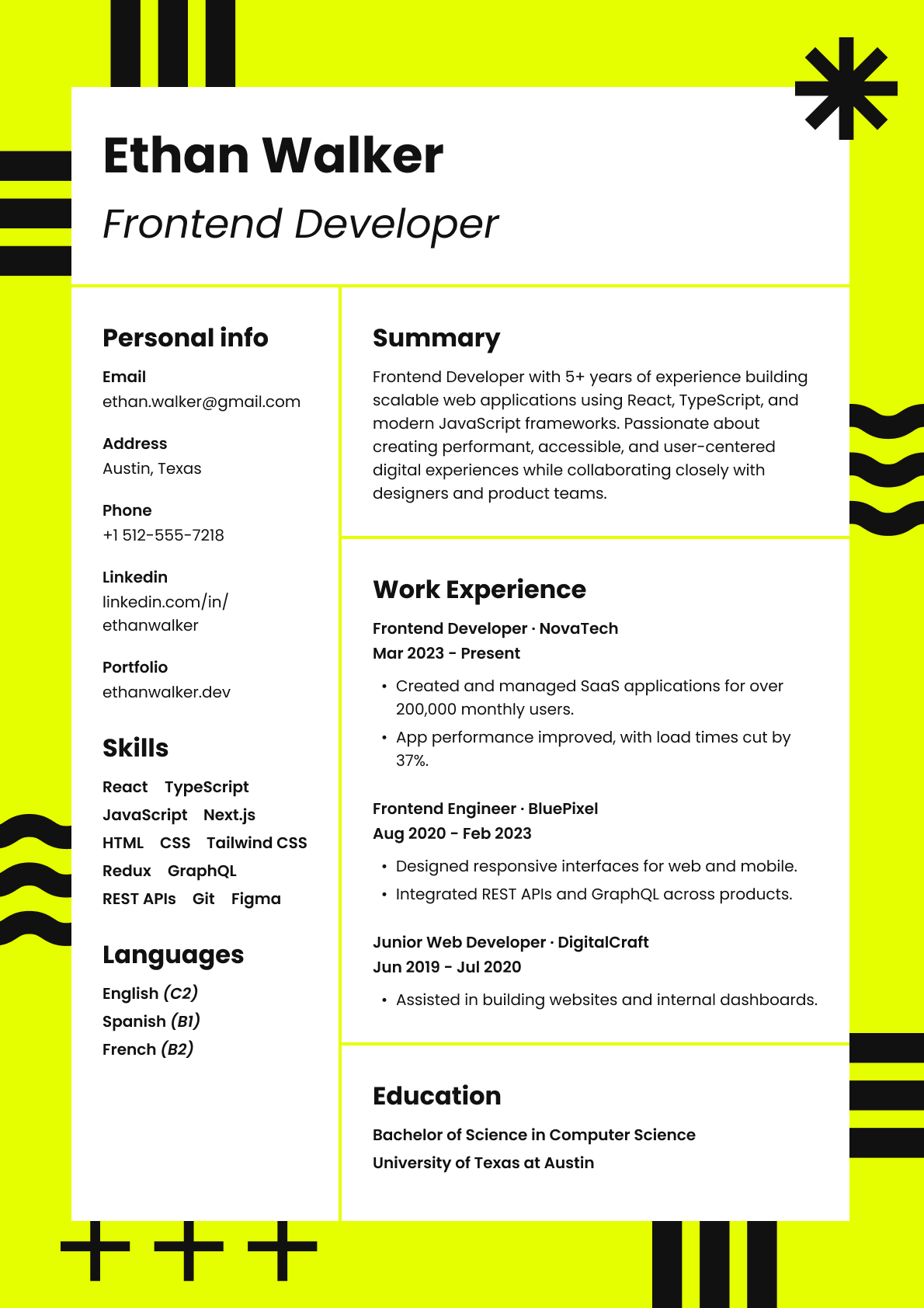
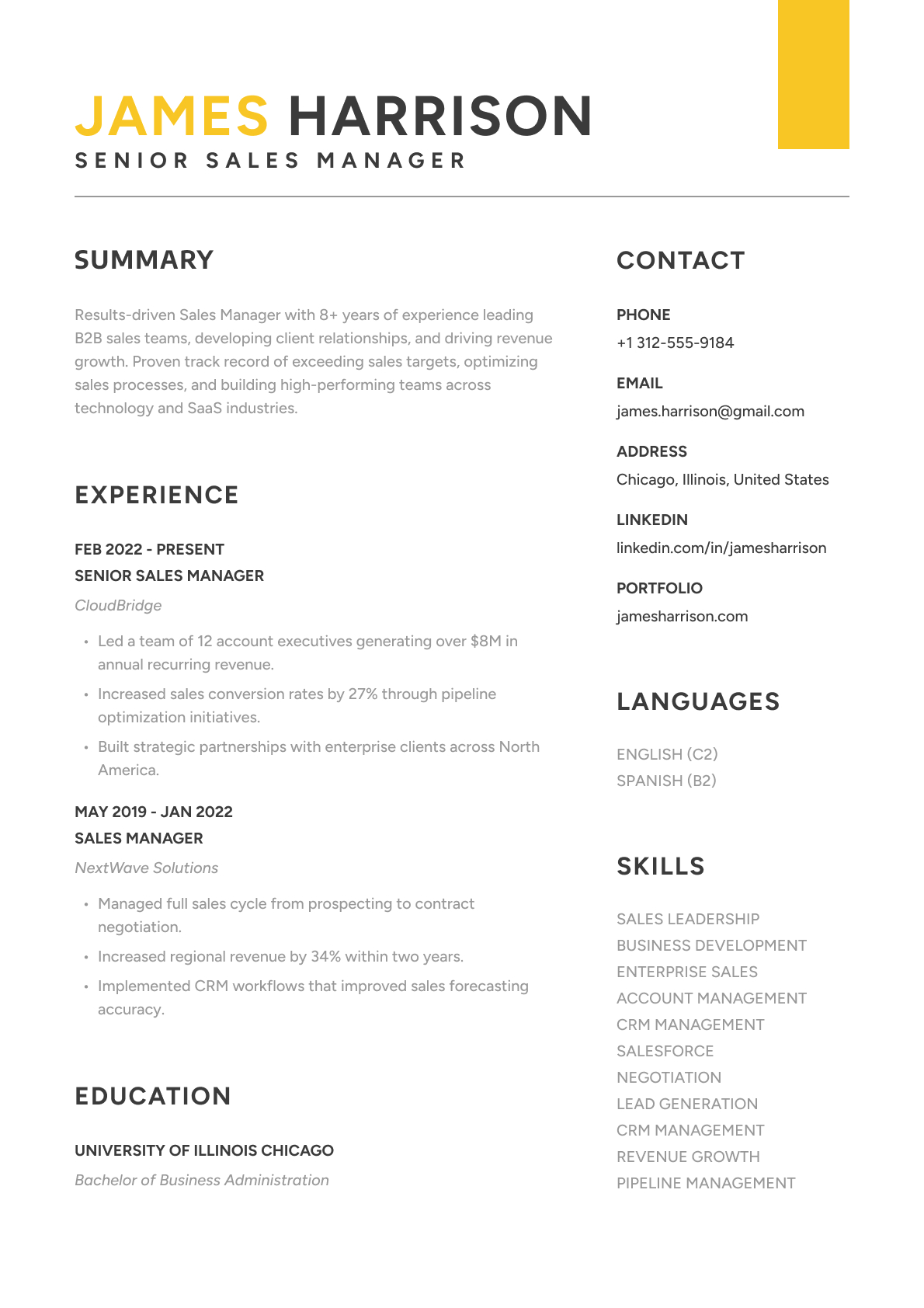
Templates that suit a devops engineer resume
DevOps Engineer resume FAQ
Build your devops engineer resume
Paste the job posting and your notes — get a keyword-aligned, ATS-ready resume in minutes. Preview free.
Build my resume