Data Scientist Resume — Tailored to the Job, ATS-Ready
A data scientist resume needs to connect modelling work to business outcomes — what you predicted, how well, and what decision it changed. Hiring managers look past tool lists for evidence that your models shipped and moved a metric, and ATS filters on the exact methods and frameworks in the posting.
What makes a strong data scientist resume
Business outcome — the decision, revenue, or cost your model influenced, not just its accuracy.
Modelling rigour — the methods, validation approach, and why you chose them.
Production reality — whether models shipped and how they were deployed and monitored.
Stack match — Python, SQL, scikit-learn, PyTorch, or whatever the posting names.
Generic AI vs. tailored to the role
Most tools pad a data scientist resume with competence-claims. Resumetion replaces them with concrete facts from your real experience.
Analytical data scientist with experience building machine learning models and extracting insights from complex datasets.
Built a demand-forecasting model (gradient boosting, MAPE 9%) that replaced manual planning and reduced overstock inventory costs by $1.2M annually across 40 SKUs.
Keywords ATS looks for
Applicant tracking systems rank on terminology from the posting. These come up often for data scientist roles — include the ones that match your real experience.
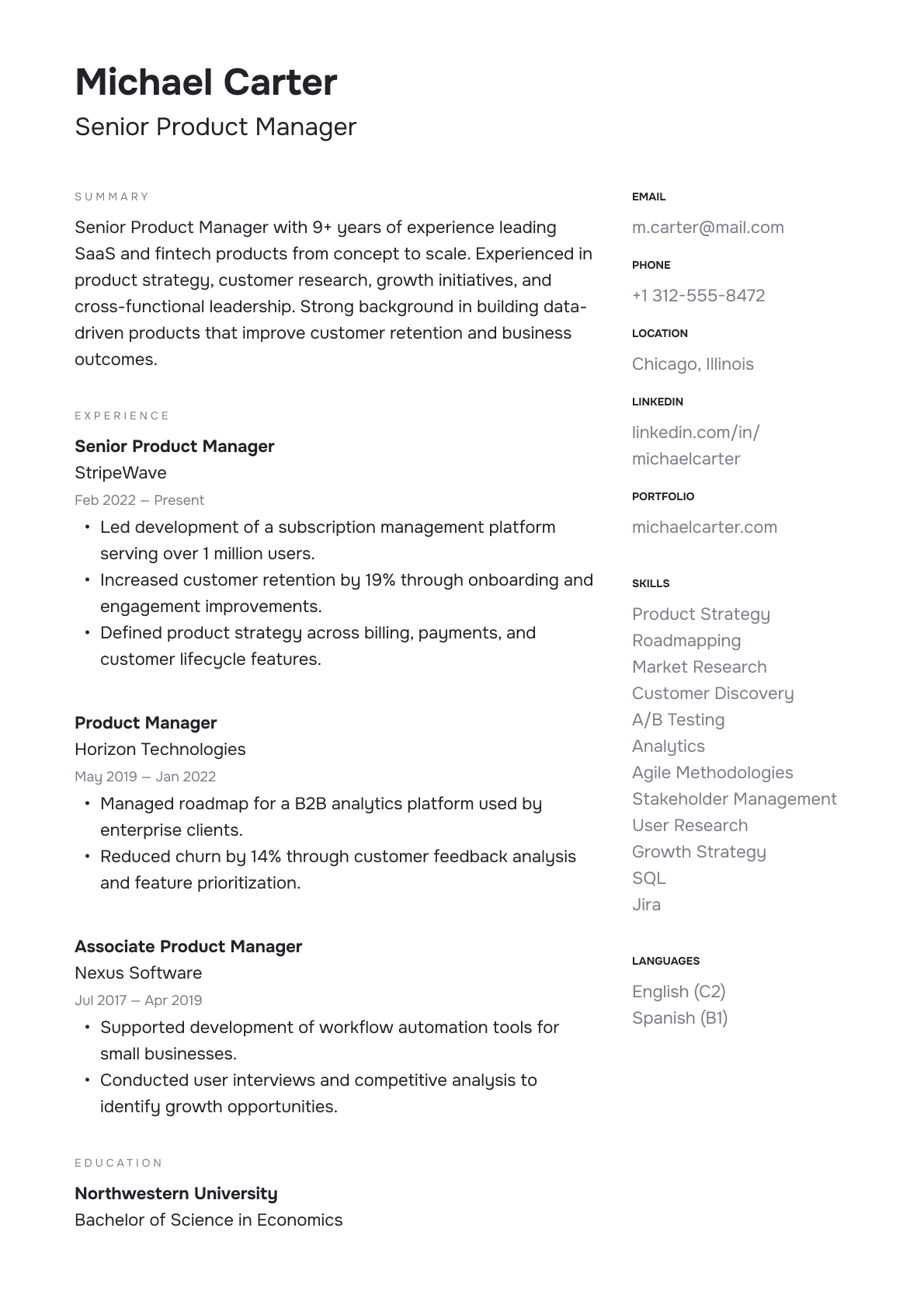
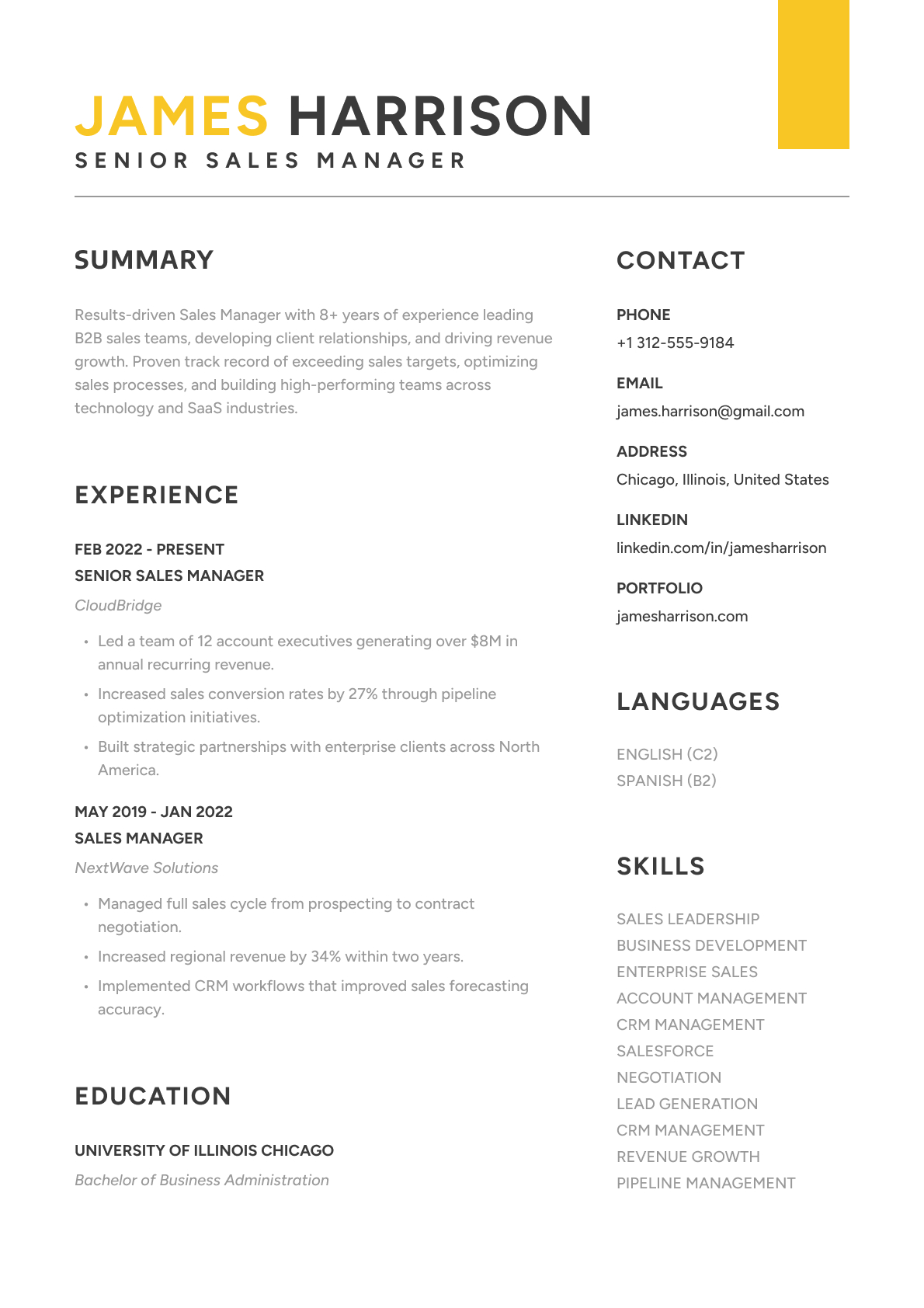
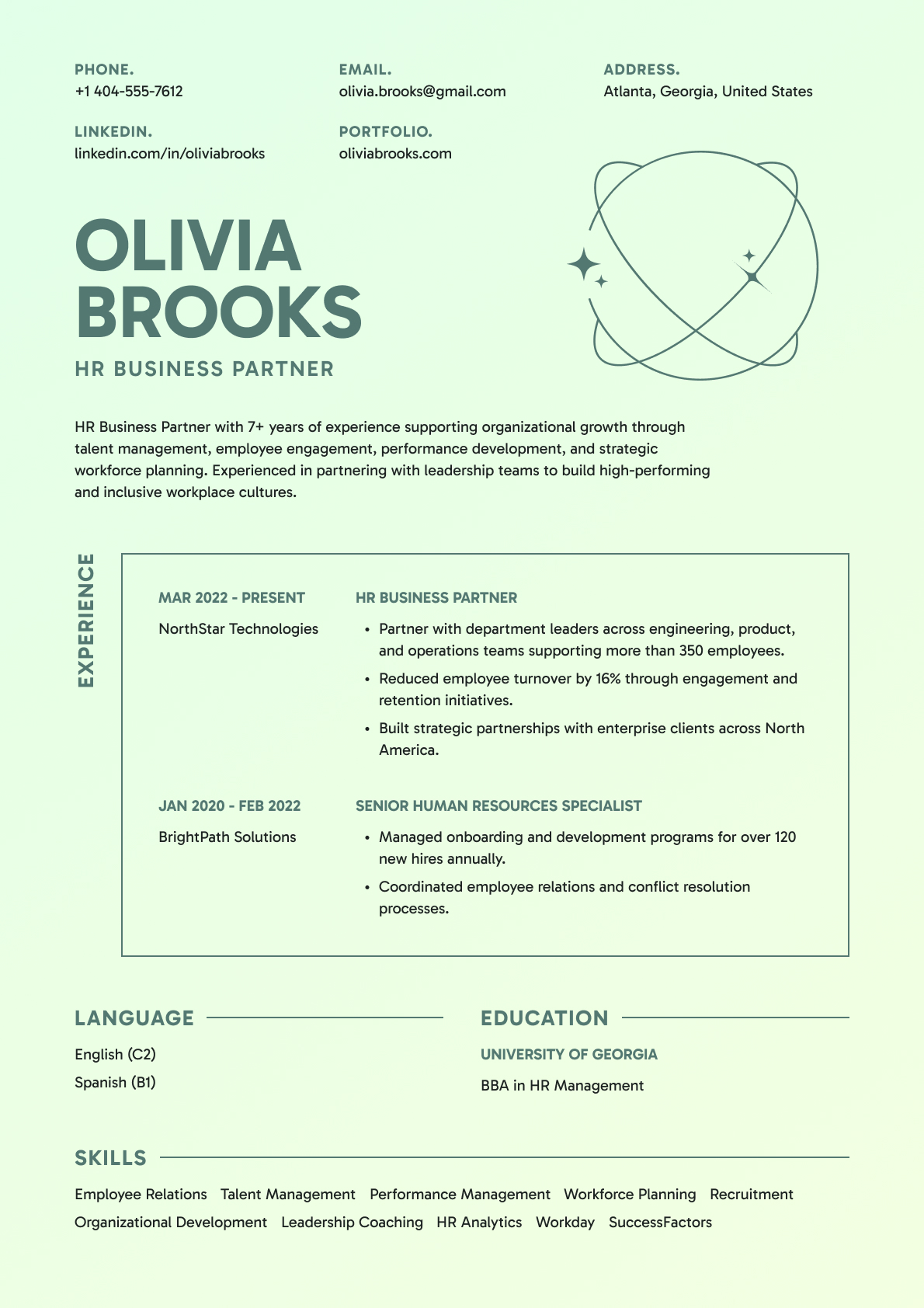
Templates that suit a data scientist resume
Data Scientist resume FAQ
Build your data scientist resume
Paste the job posting and your notes — get a keyword-aligned, ATS-ready resume in minutes. Preview free.
Build my resume