Data Analyst Resume — Tailored to the Job, ATS-Ready
A data analyst resume has to answer one question fast: what decisions did your analysis actually drive? Recruiters skim for the tools you use, the data you worked with, and the business impact — not descriptions of dashboards you built or queries you ran.
What makes a strong data analyst resume
Business impact — what decision, cost saving, or revenue lift followed from your analysis.
Tool fluency — SQL, Python, R, Tableau, Power BI, or whatever the posting names, stated concretely.
Data scope — scale of data, domain (finance, marketing, ops), and stakeholders you supported.
Methodology — A/B testing, cohort analysis, forecasting, or segmentation you led, not just ran.
Generic AI vs. tailored to the role
Most tools pad a data analyst resume with competence-claims. Resumetion replaces them with concrete facts from your real experience.
Detail-oriented data analyst with strong analytical skills and experience working with large datasets to derive actionable insights.
Built a churn-prediction model in Python that identified 18% of at-risk accounts 30 days early, enabling outreach that recovered $340k ARR.
Keywords ATS looks for
Applicant tracking systems rank on terminology from the posting. These come up often for data analyst roles — include the ones that match your real experience.
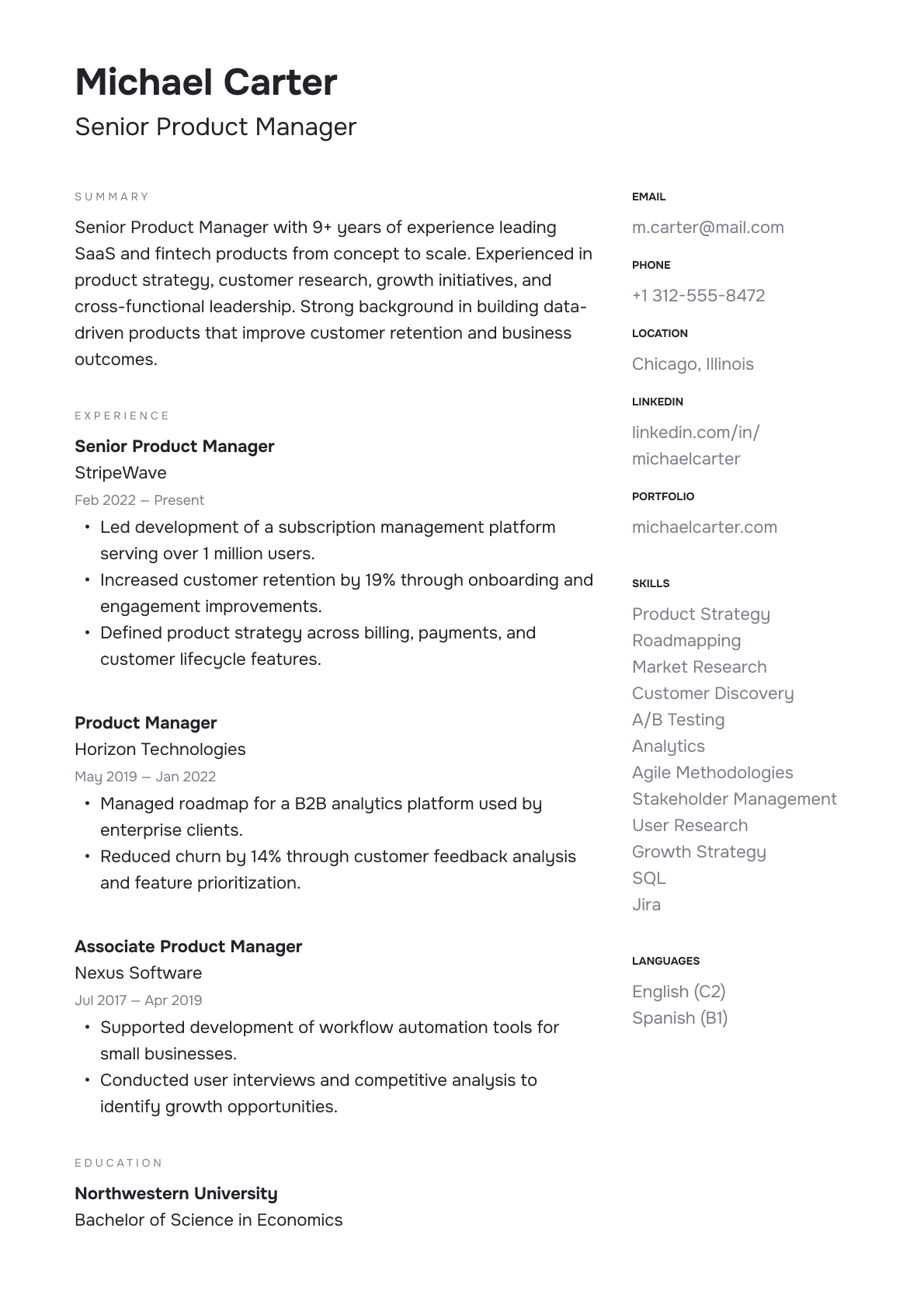
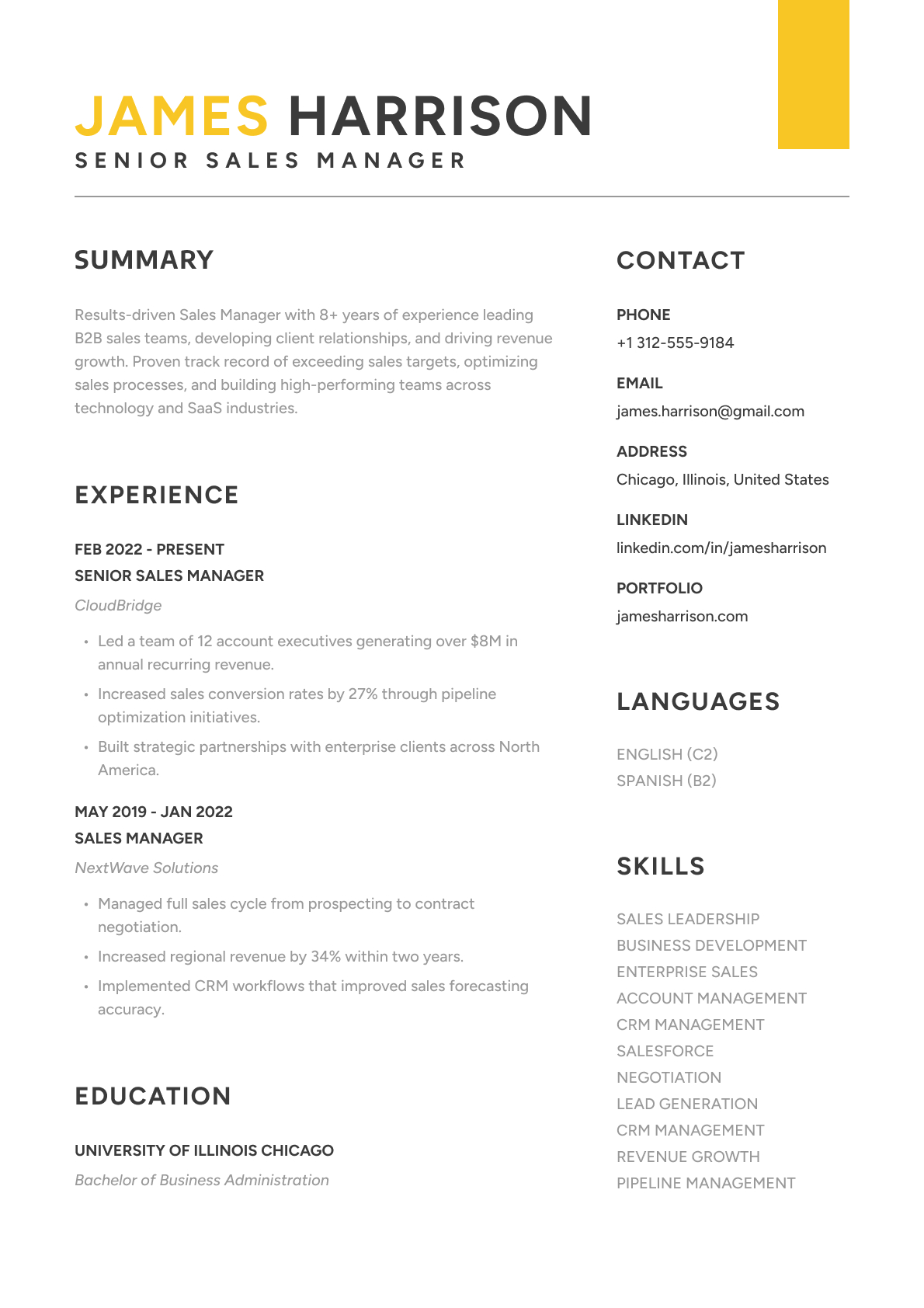
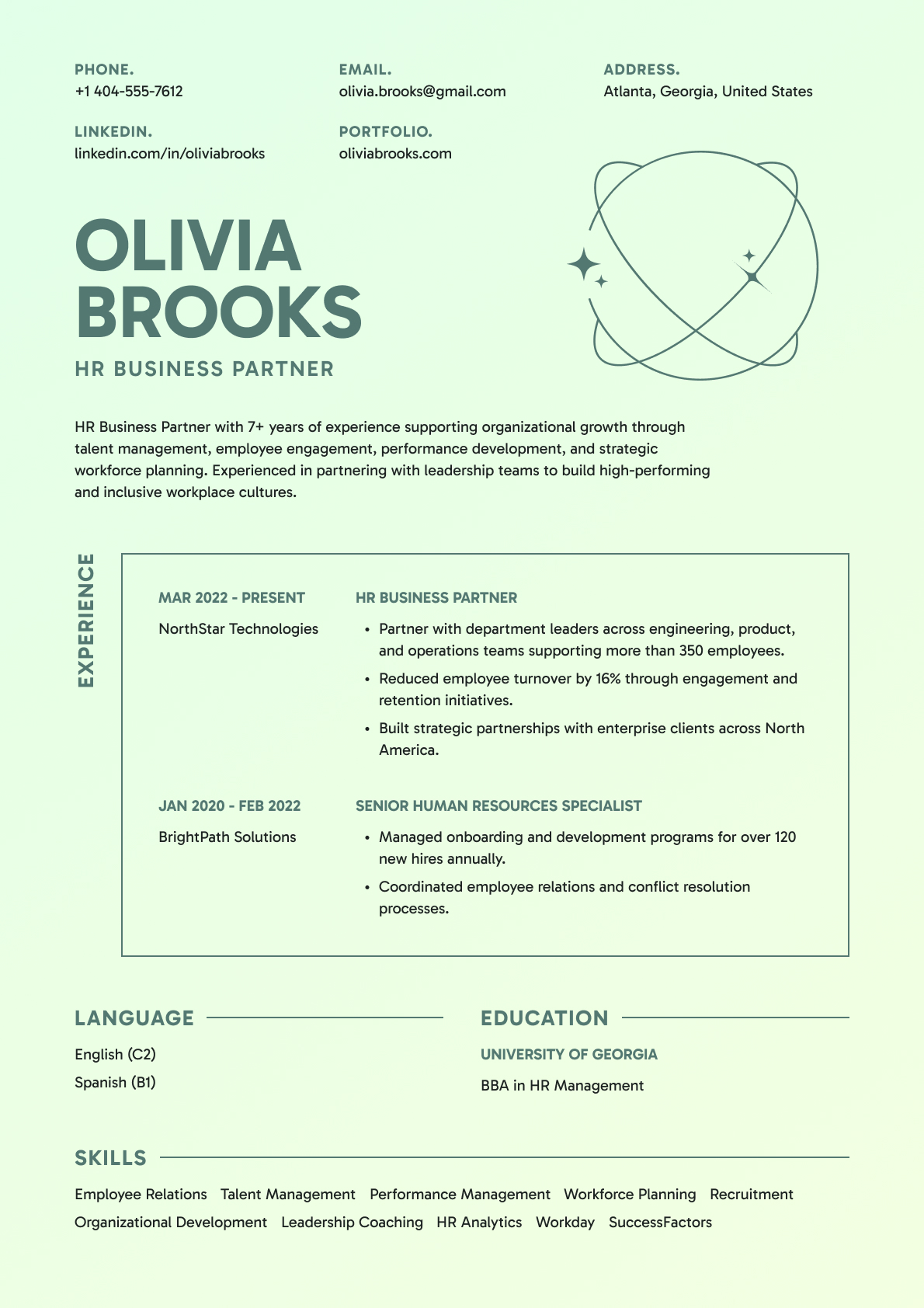
Templates that suit a data analyst resume
Data Analyst resume FAQ
Build your data analyst resume
Paste the job posting and your notes — get a keyword-aligned, ATS-ready resume in minutes. Preview free.
Build my resume