Data Engineer Resume — Tailored to the Job, ATS-Ready
A data engineer resume needs to show the pipelines you built, the scale of data they moved, and the reliability you delivered — not that you work with big data. Recruiters and ATS scan for the exact stack in the posting, so naming the right warehouse, orchestration, and processing tools matters.
What makes a strong data engineer resume
Pipeline scope — what you built (batch, streaming), the data volume, and the consumers it served.
Reliability — SLA, freshness, or failure-rate improvements on the pipelines you owned.
Performance and cost — query speed or warehouse spend you optimised.
Stack match — Spark, Airflow, dbt, Snowflake, Kafka, or whatever the posting names.
Generic AI vs. tailored to the role
Most tools pad a data engineer resume with competence-claims. Resumetion replaces them with concrete facts from your real experience.
Skilled data engineer with experience building scalable data pipelines and infrastructure to support analytics and machine learning.
Built an Airflow + dbt pipeline ingesting 2TB/day into Snowflake, cutting report freshness from 24h to 2h and reducing warehouse costs 30% through partitioning and query tuning.
Keywords ATS looks for
Applicant tracking systems rank on terminology from the posting. These come up often for data engineer roles — include the ones that match your real experience.
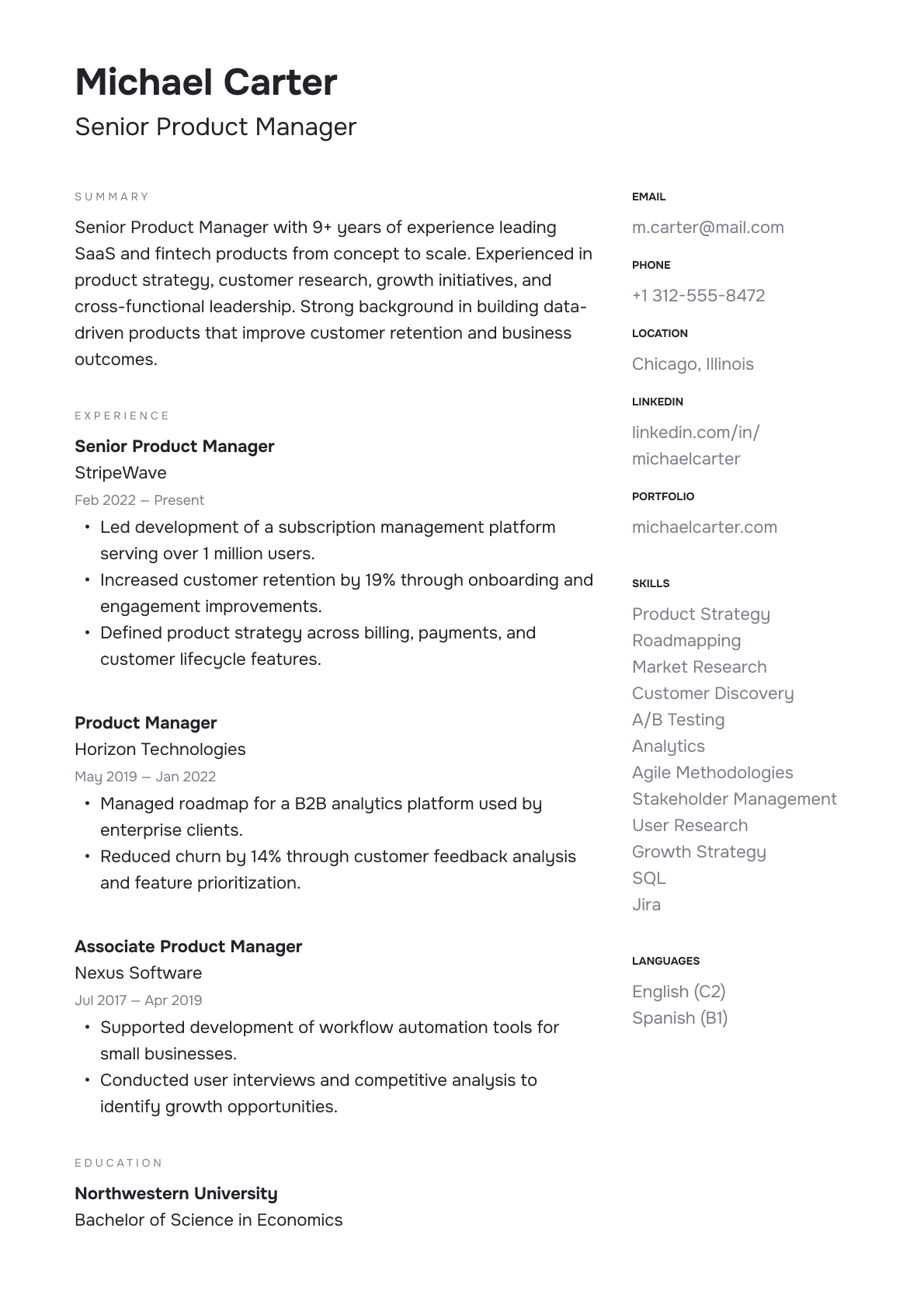
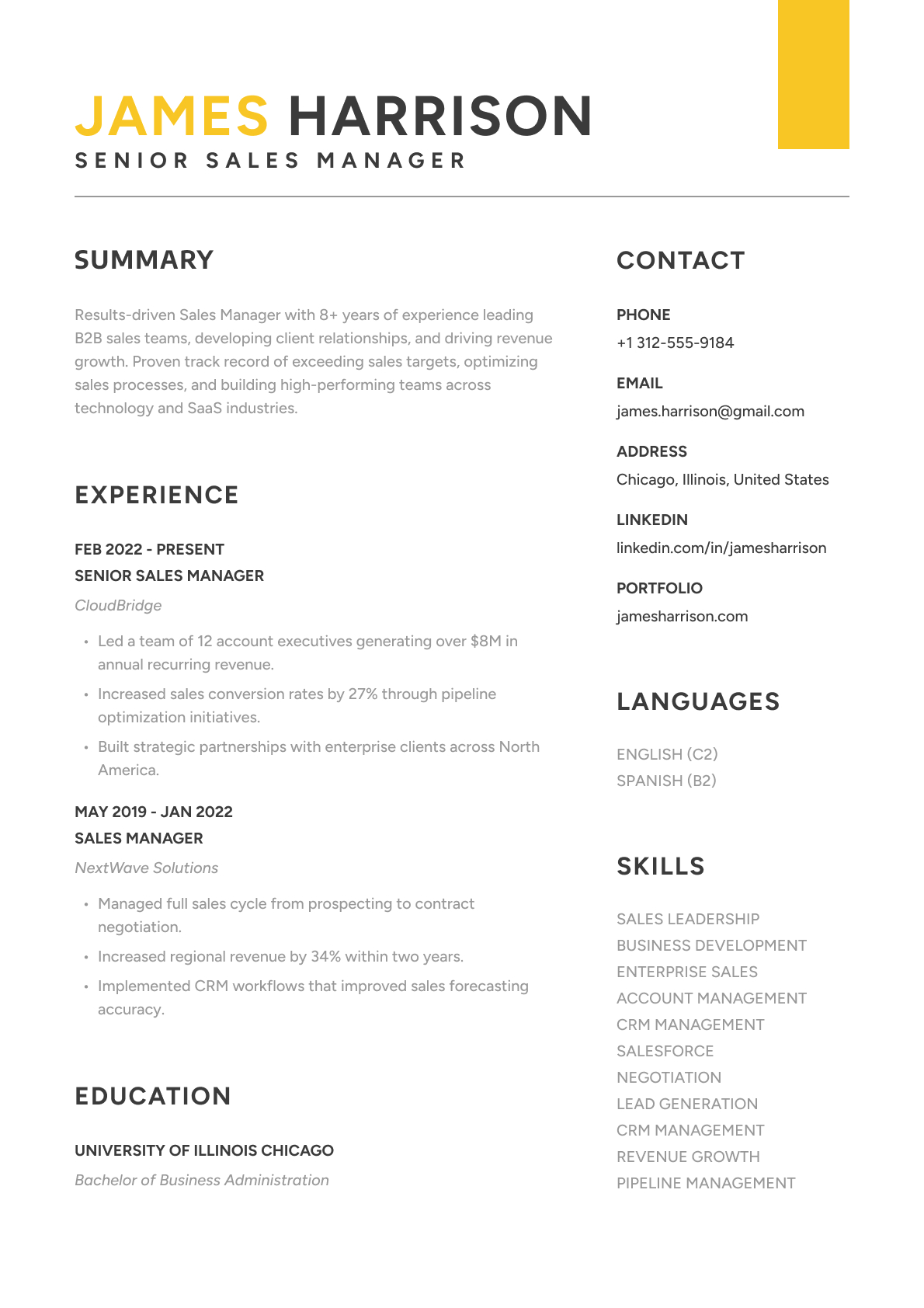
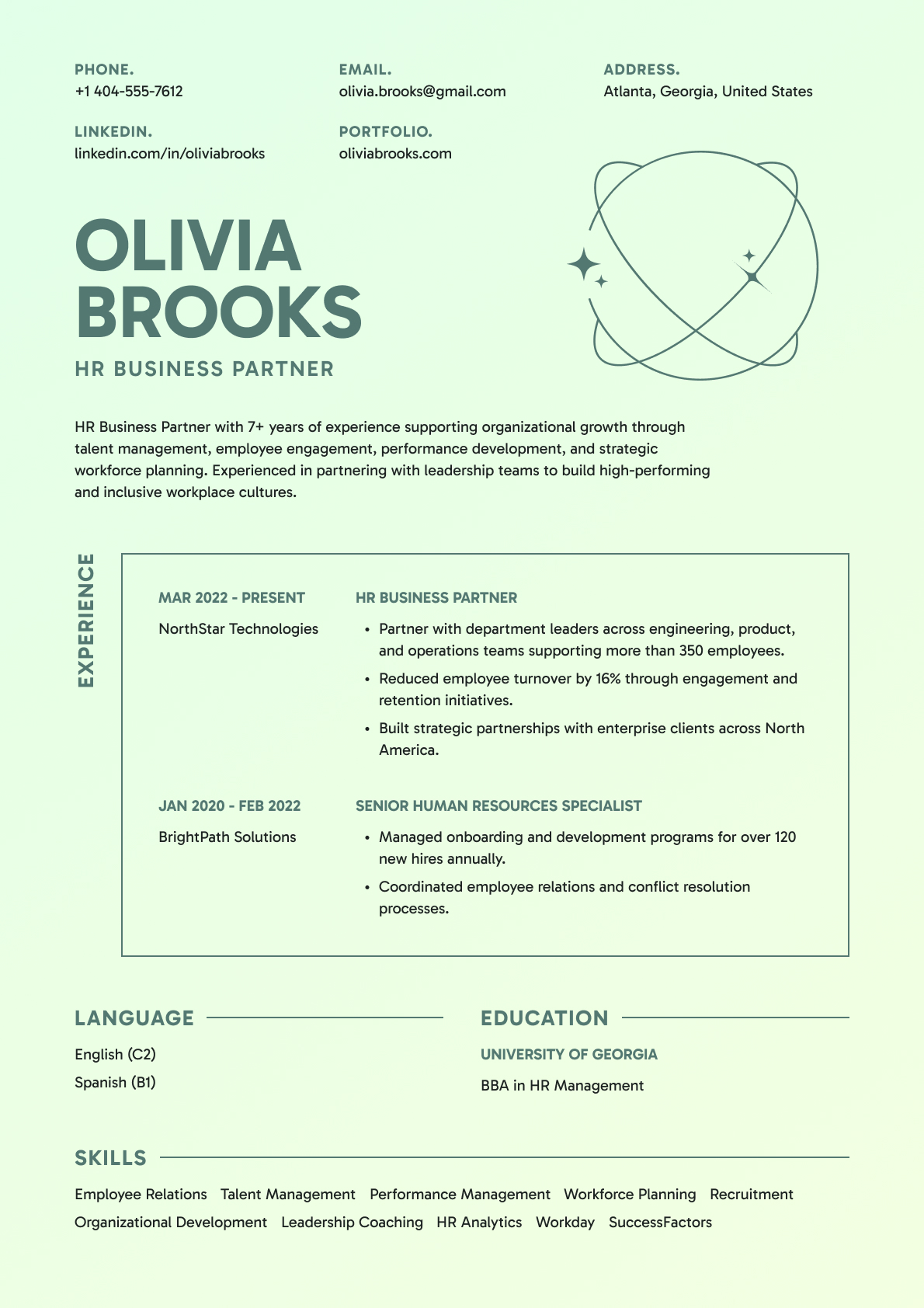
Templates that suit a data engineer resume
Data Engineer resume FAQ
Build your data engineer resume
Paste the job posting and your notes — get a keyword-aligned, ATS-ready resume in minutes. Preview free.
Build my resume