Registered Nurse Resume — Tailored to the Job, ATS-Ready
A registered nurse resume has to read fast for a nurse manager and parse cleanly for hospital applicant tracking systems. That means clear unit and specialty experience, licenses and certifications up front, and the exact clinical terminology used in the posting — not vague claims of being a caring, dedicated professional.
What makes a strong registered nurse resume
Licenses and certifications — RN license, BLS/ACLS/PALS, listed where they are easy to scan.
Specialty and setting — unit type, patient population, and acuity so fit is obvious.
Clinical scope — procedures, EHR systems, and patient load handled.
Posting match — mirror the unit, certifications, and systems the job names.
Generic AI vs. tailored to the role
Most tools pad a registered nurse resume with competence-claims. Resumetion replaces them with concrete facts from your real experience.
Compassionate, hard-working nurse with a proven track record of delivering excellent patient care.
Managed a 5-patient med-surg load per shift, charted in Epic, and precepted two new-grad RNs through unit orientation.
Keywords ATS looks for
Applicant tracking systems rank on terminology from the posting. These come up often for registered nurse roles — include the ones that match your real experience.
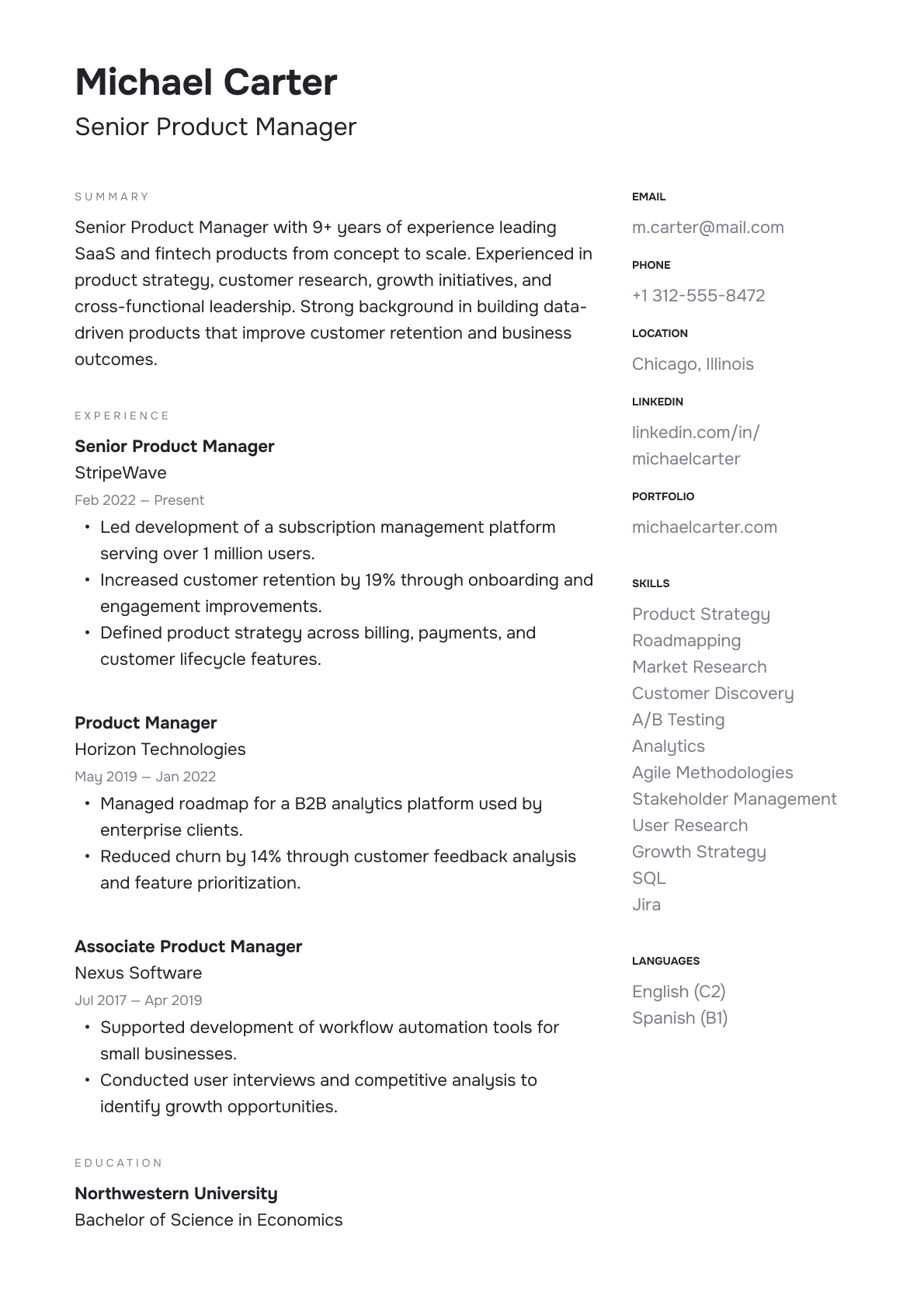
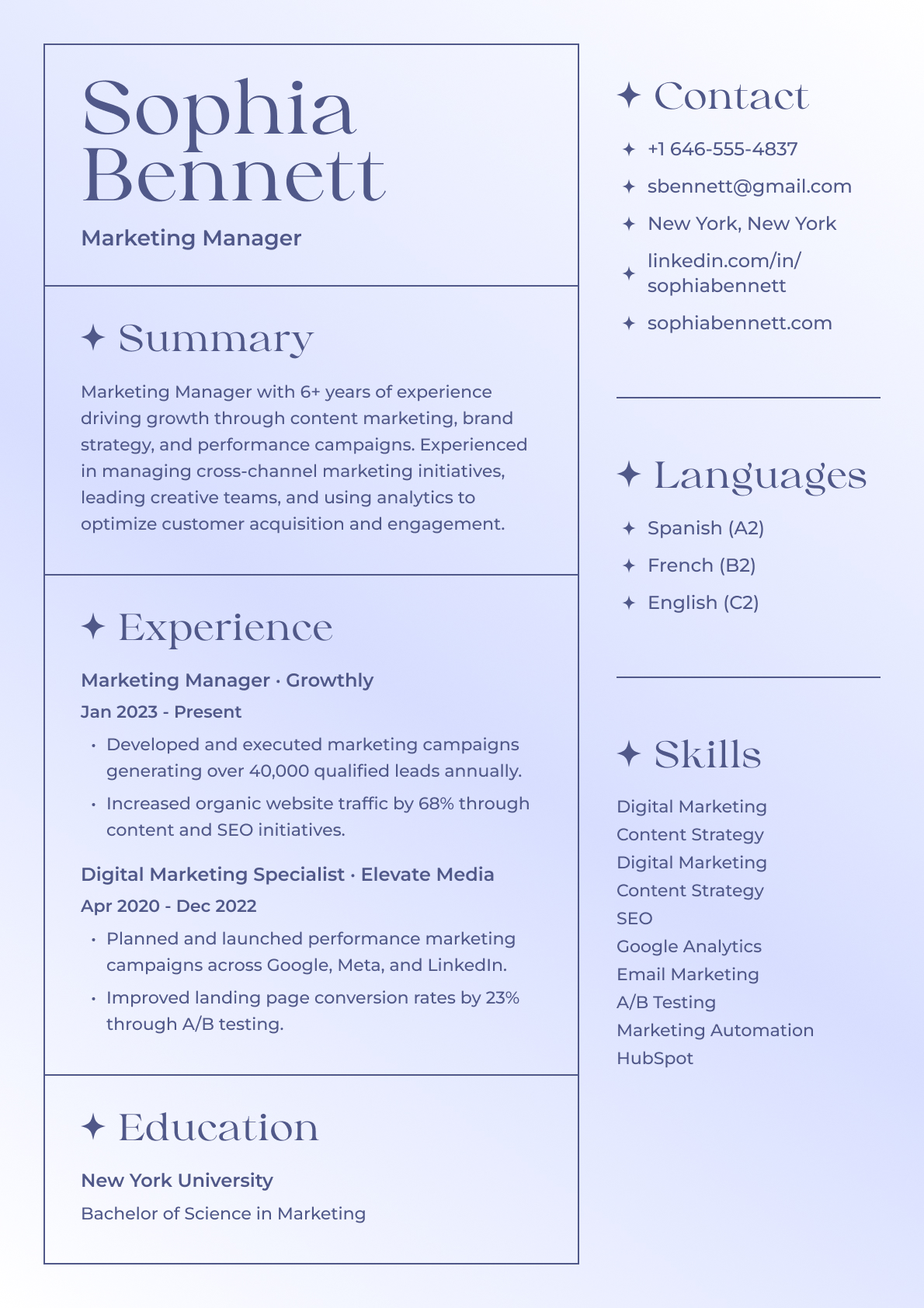
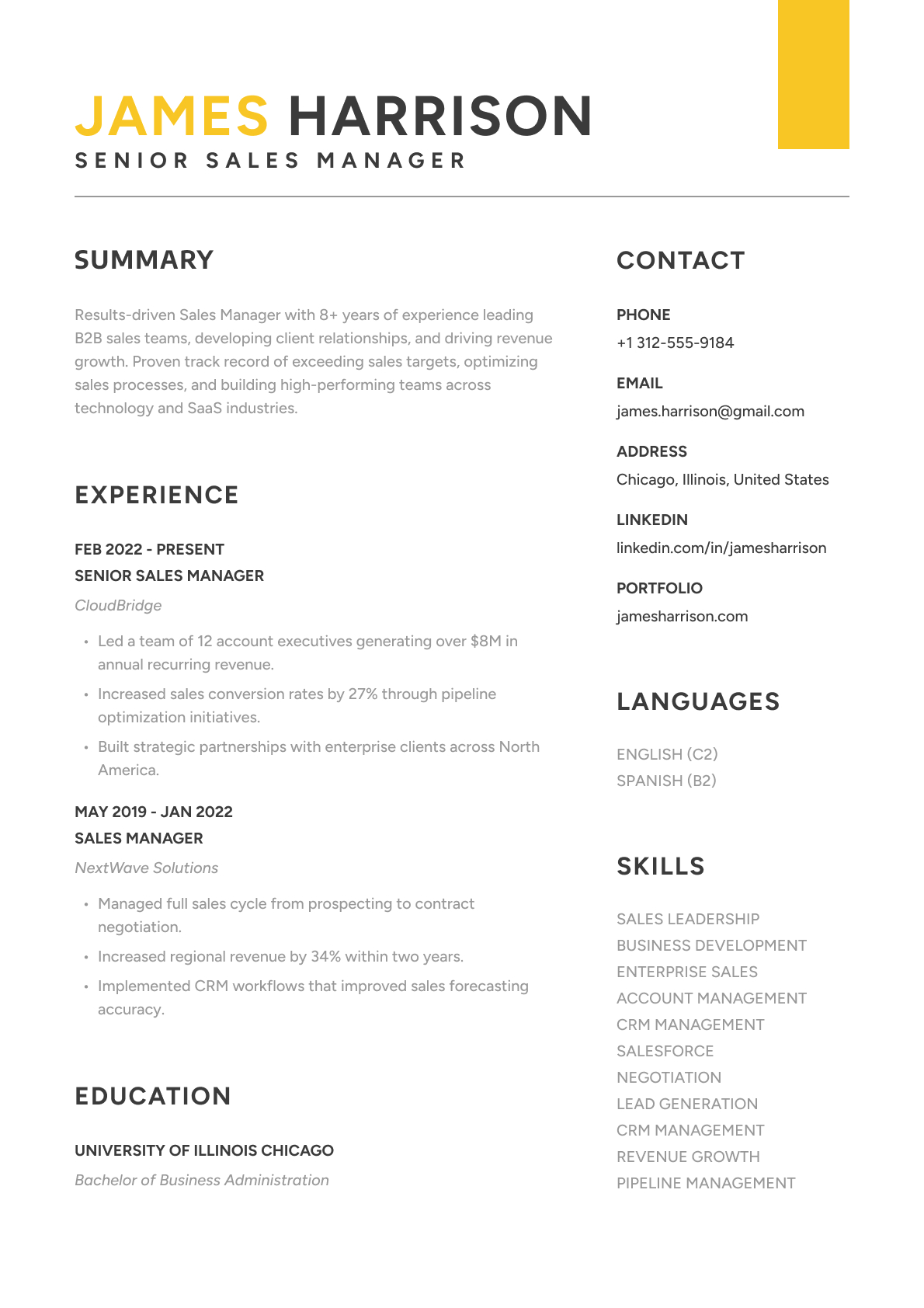
Templates that suit a registered nurse resume
Registered Nurse resume FAQ
Build your registered nurse resume
Paste the job posting and your notes — get a keyword-aligned, ATS-ready resume in minutes. Preview free.
Build my resume