Cybersecurity Analyst Resume — Tailored to the Job, ATS-Ready
A cybersecurity analyst resume needs to show the threats you handled, the tools you used, and the certifications you hold — clearly enough for both a hiring manager and an ATS that filters hard on security terminology. Concrete incident response and the exact frameworks in the posting matter more than claims of being security-minded.
What makes a strong cybersecurity analyst resume
Certifications — Security+, CISSP, CEH, or whatever the role requires, listed up front.
Incident handling — threats detected, response time, or breaches contained, with scope.
Tooling and frameworks — SIEM, EDR, NIST, MITRE ATT&CK, matched to the posting.
Compliance scope — SOC 2, ISO 27001, PCI-DSS, or HIPAA work where relevant.
Generic AI vs. tailored to the role
Most tools pad a cybersecurity analyst resume with competence-claims. Resumetion replaces them with concrete facts from your real experience.
Security-minded cybersecurity analyst with experience protecting systems and responding to threats in a fast-paced environment.
Triaged 200+ alerts/week in Splunk, tuned detection rules that cut false positives 60%, and led containment of a phishing-driven incident affecting 14 accounts with zero data loss.
Keywords ATS looks for
Applicant tracking systems rank on terminology from the posting. These come up often for cybersecurity analyst roles — include the ones that match your real experience.
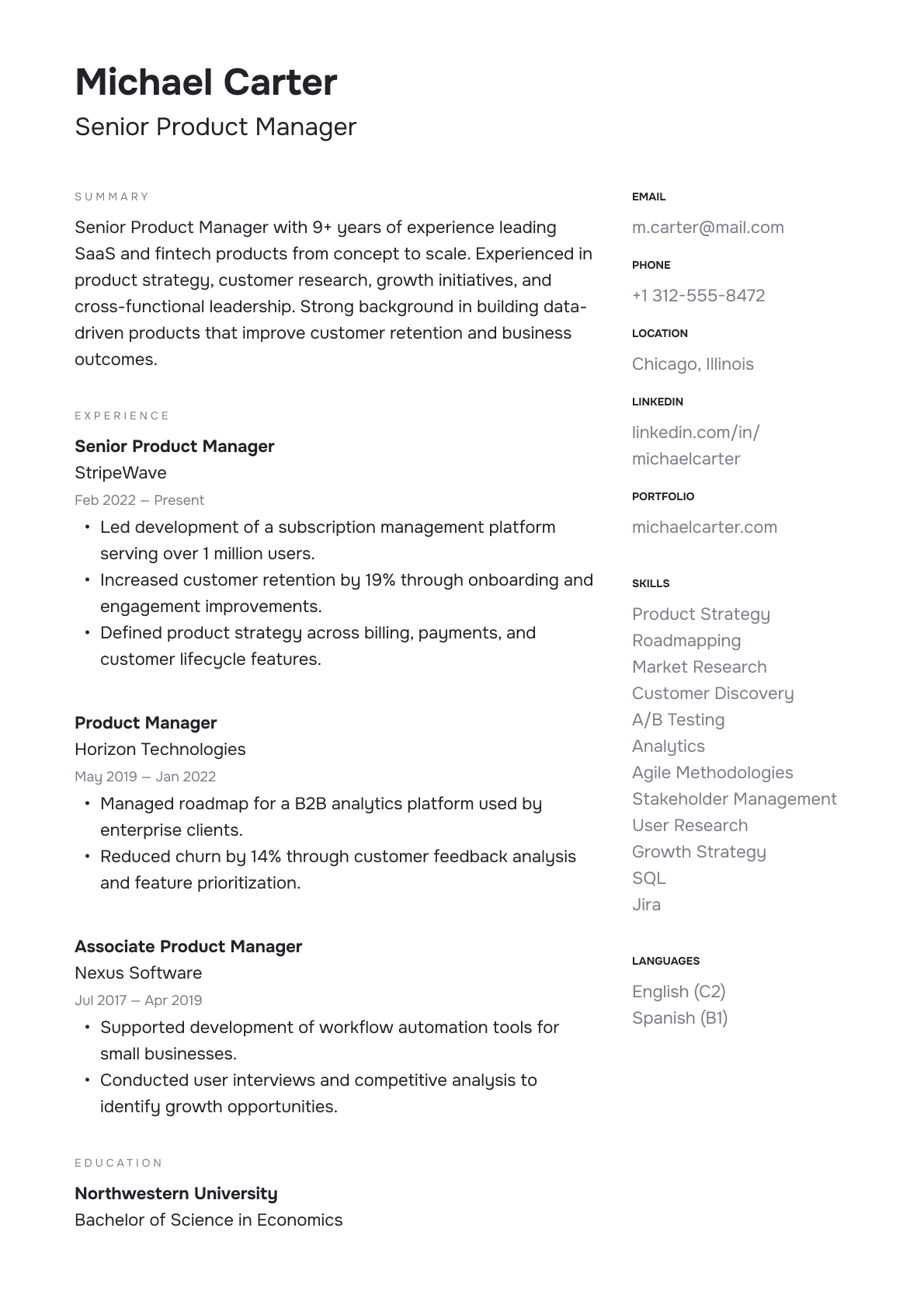
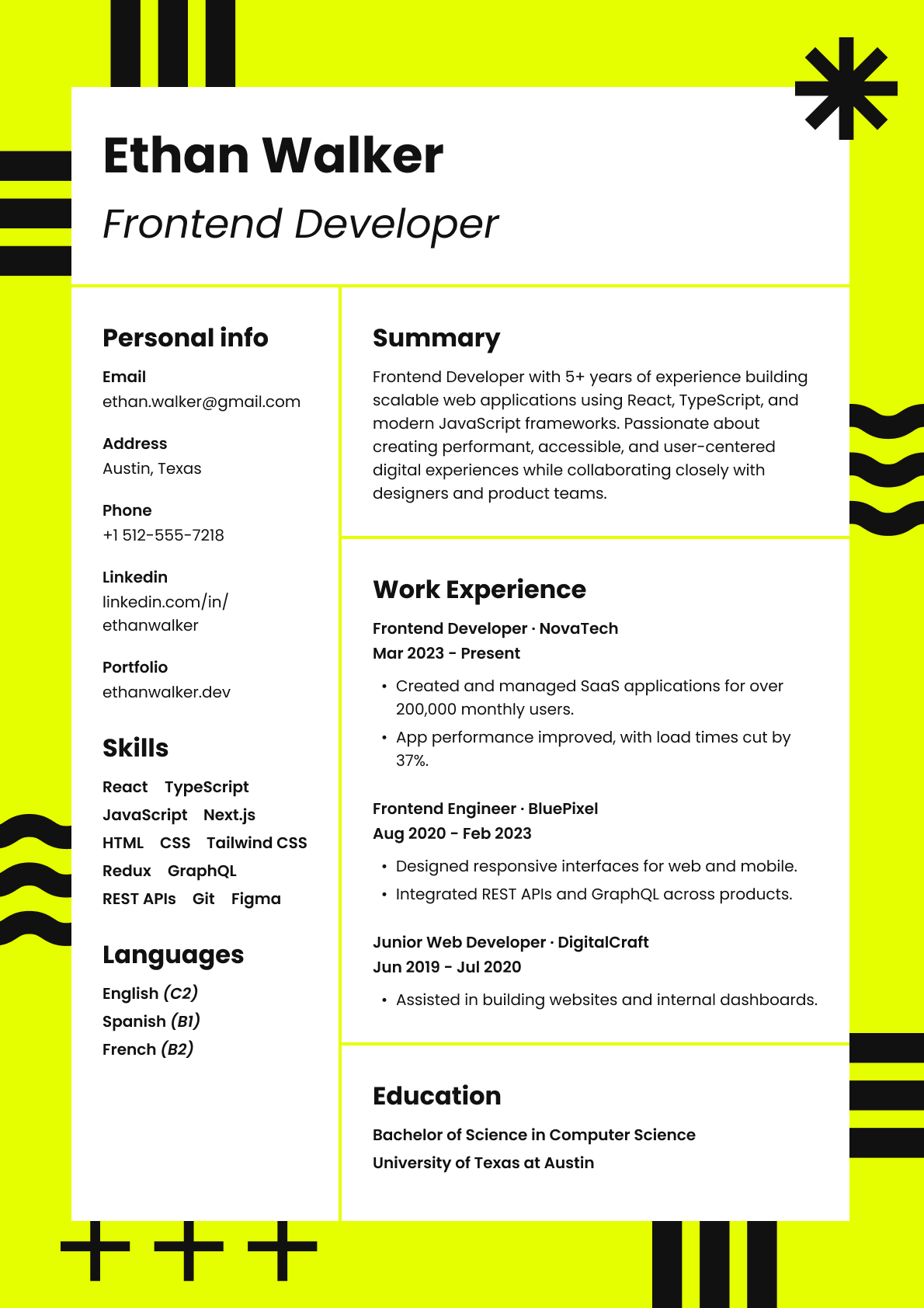
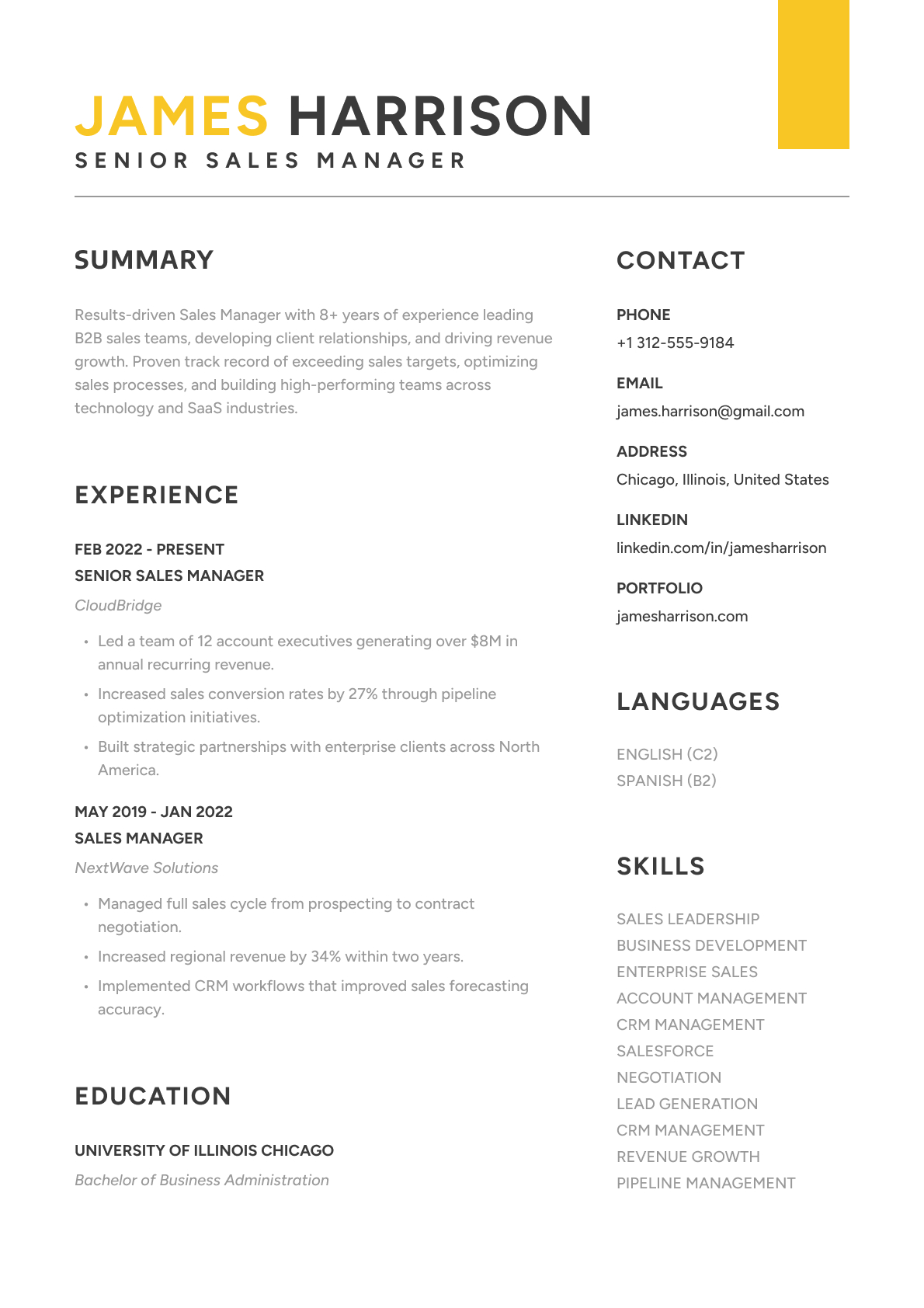
Templates that suit a cybersecurity analyst resume
Cybersecurity Analyst resume FAQ
Build your cybersecurity analyst resume
Paste the job posting and your notes — get a keyword-aligned, ATS-ready resume in minutes. Preview free.
Build my resume