UX Designer Resume — Tailored to the Job, ATS-Ready
A UX designer resume needs to show your process and the outcomes it produced — not a list of tools you can open. Hiring managers look for evidence that you talk to users, translate findings into decisions, and ship things that measurably improve the experience.
What makes a strong ux designer resume
Process visibility — research methods, synthesis, and how findings shaped the final design.
Outcome over output — conversion lift, task-completion rate, NPS, or reduced support tickets, not screens delivered.
Collaboration signals — how you worked with PMs, engineers, and stakeholders to get designs shipped.
Tool match — Figma, Maze, UserTesting, Miro, or whatever the posting lists, shown in context.
Generic AI vs. tailored to the role
Most tools pad a ux designer resume with competence-claims. Resumetion replaces them with concrete facts from your real experience.
Creative UX designer passionate about crafting intuitive, user-centred experiences that delight users and drive business results.
Redesigned the onboarding flow using 12 user interviews and tree-testing; lifted 7-day activation 31% and cut support tickets by 22%.
Keywords ATS looks for
Applicant tracking systems rank on terminology from the posting. These come up often for ux designer roles — include the ones that match your real experience.
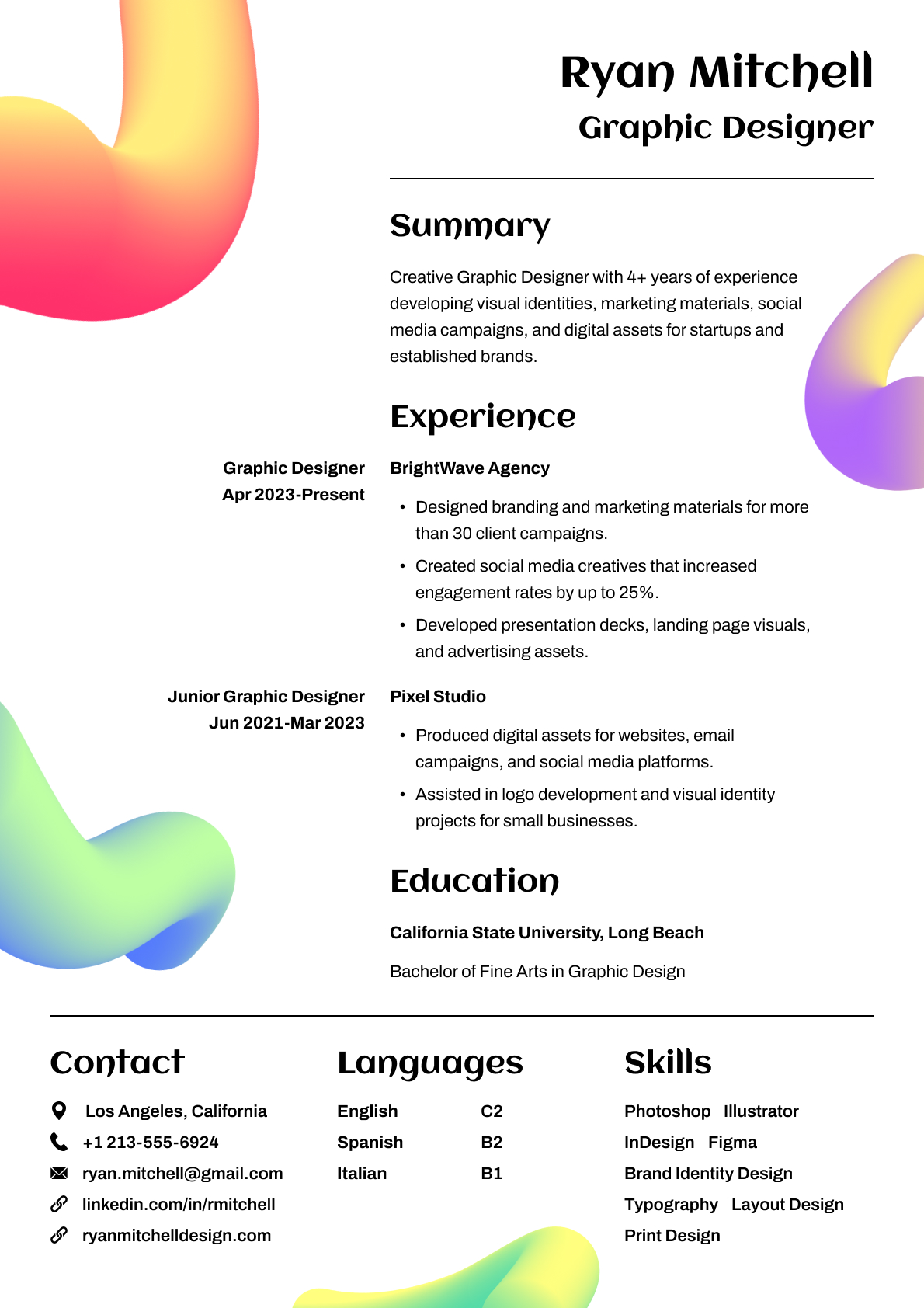
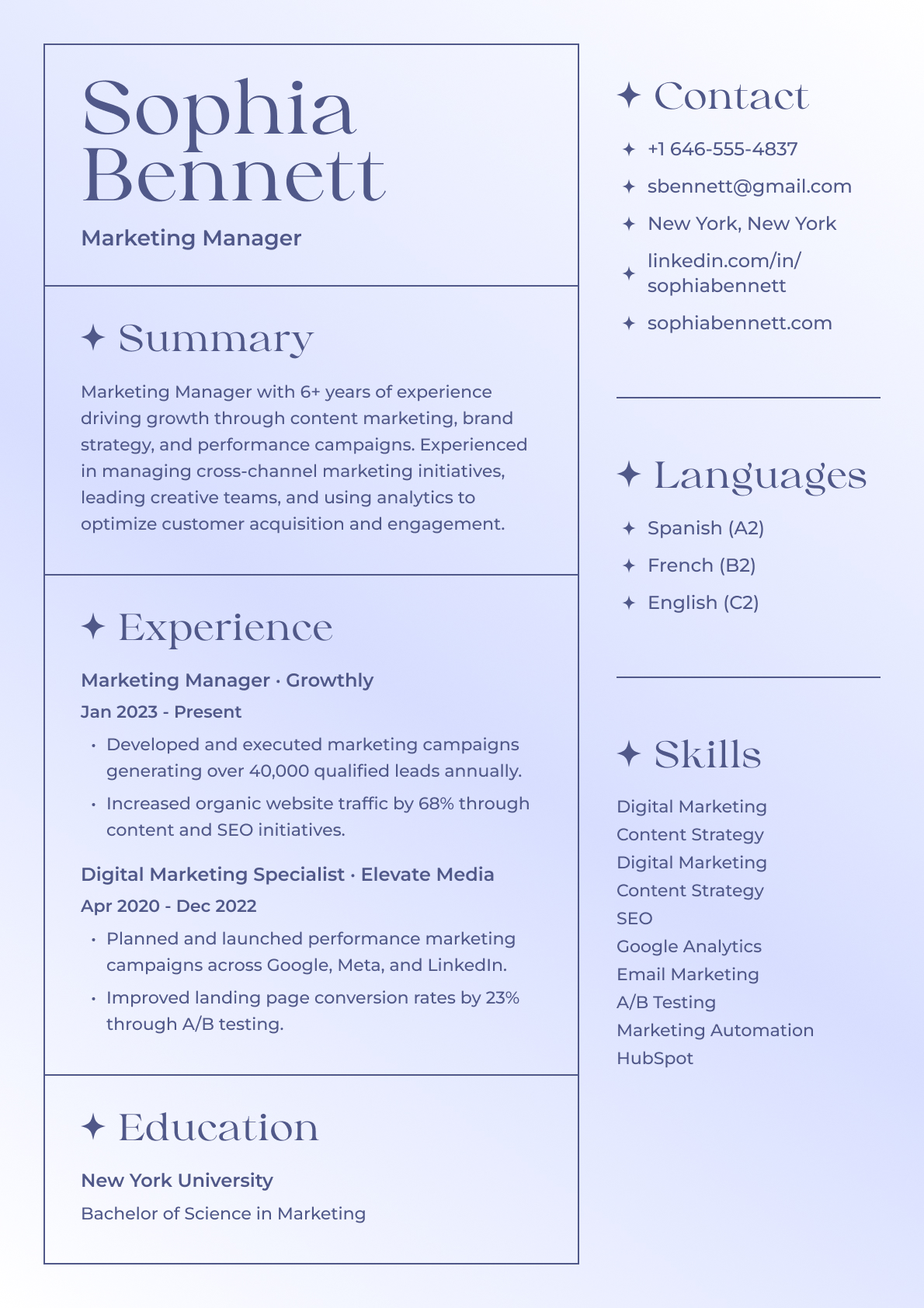
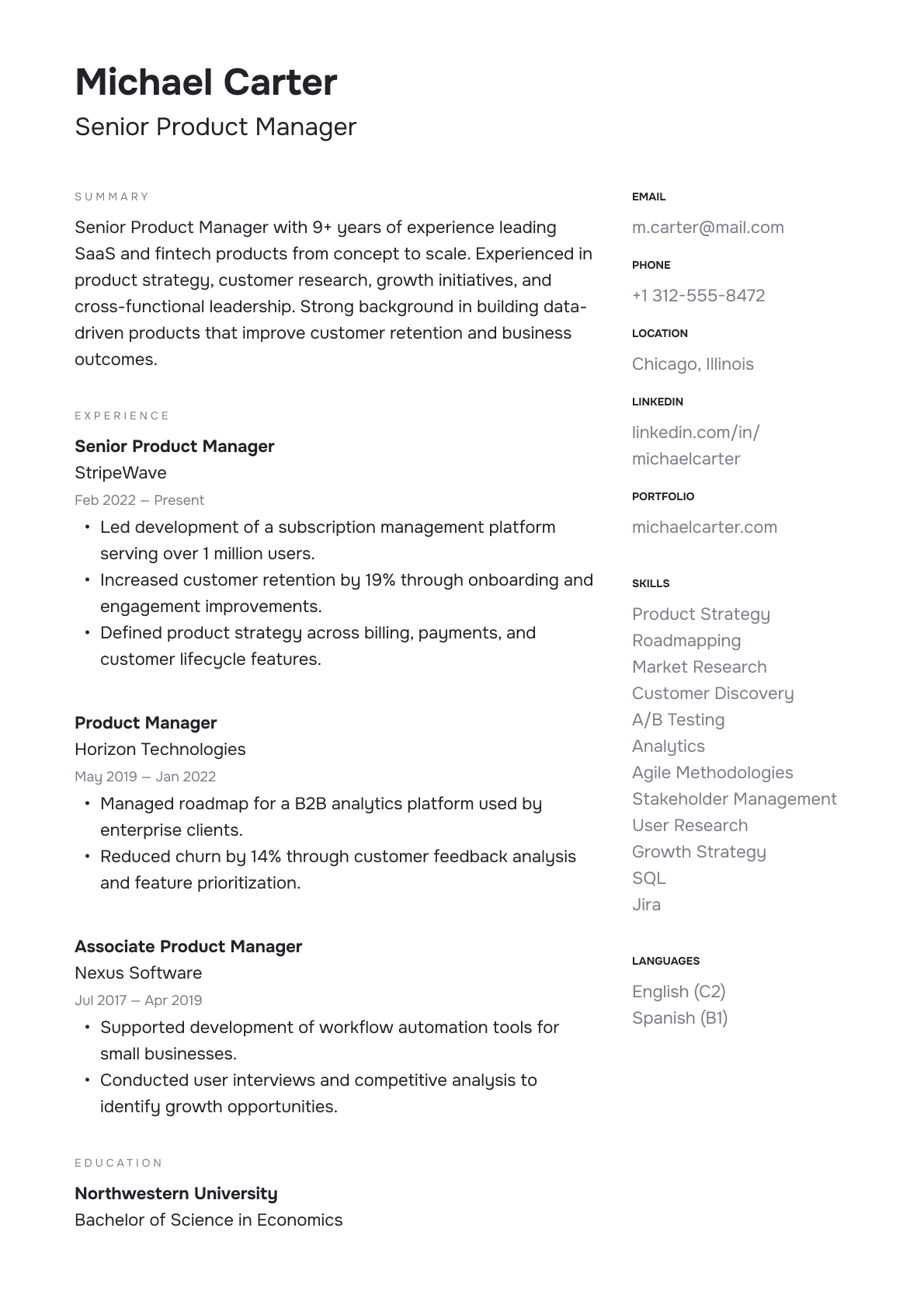
Templates that suit a ux designer resume
UX Designer resume FAQ
Build your ux designer resume
Paste the job posting and your notes — get a keyword-aligned, ATS-ready resume in minutes. Preview free.
Build my resume