Financial Analyst Resume — Tailored to the Job, ATS-Ready
A financial analyst resume has to show the decisions your analysis drove and the models behind them — not that you are analytical and Excel-proficient. Hiring managers scan for the type of analysis, the scale of the numbers, and the business impact, and ATS filters on finance terminology.
What makes a strong financial analyst resume
Decision impact — what your forecast, model, or analysis changed: a budget, an investment, a cost cut.
Modelling depth — DCF, variance analysis, forecasting, or scenario modelling you built.
Scale — revenue, budget, or portfolio size you supported, to situate seniority.
Tools — Excel, SQL, Tableau, or the ERP/BI systems the posting names.
Generic AI vs. tailored to the role
Most tools pad a financial analyst resume with competence-claims. Resumetion replaces them with concrete facts from your real experience.
Analytical financial analyst with strong modelling skills and experience supporting business decisions with data.
Built a three-statement model and scenario analysis that informed a $5M capex decision, and rebuilt the monthly variance report to cut prep time 50% while flagging a recurring $200k cost overrun.
Keywords ATS looks for
Applicant tracking systems rank on terminology from the posting. These come up often for financial analyst roles — include the ones that match your real experience.
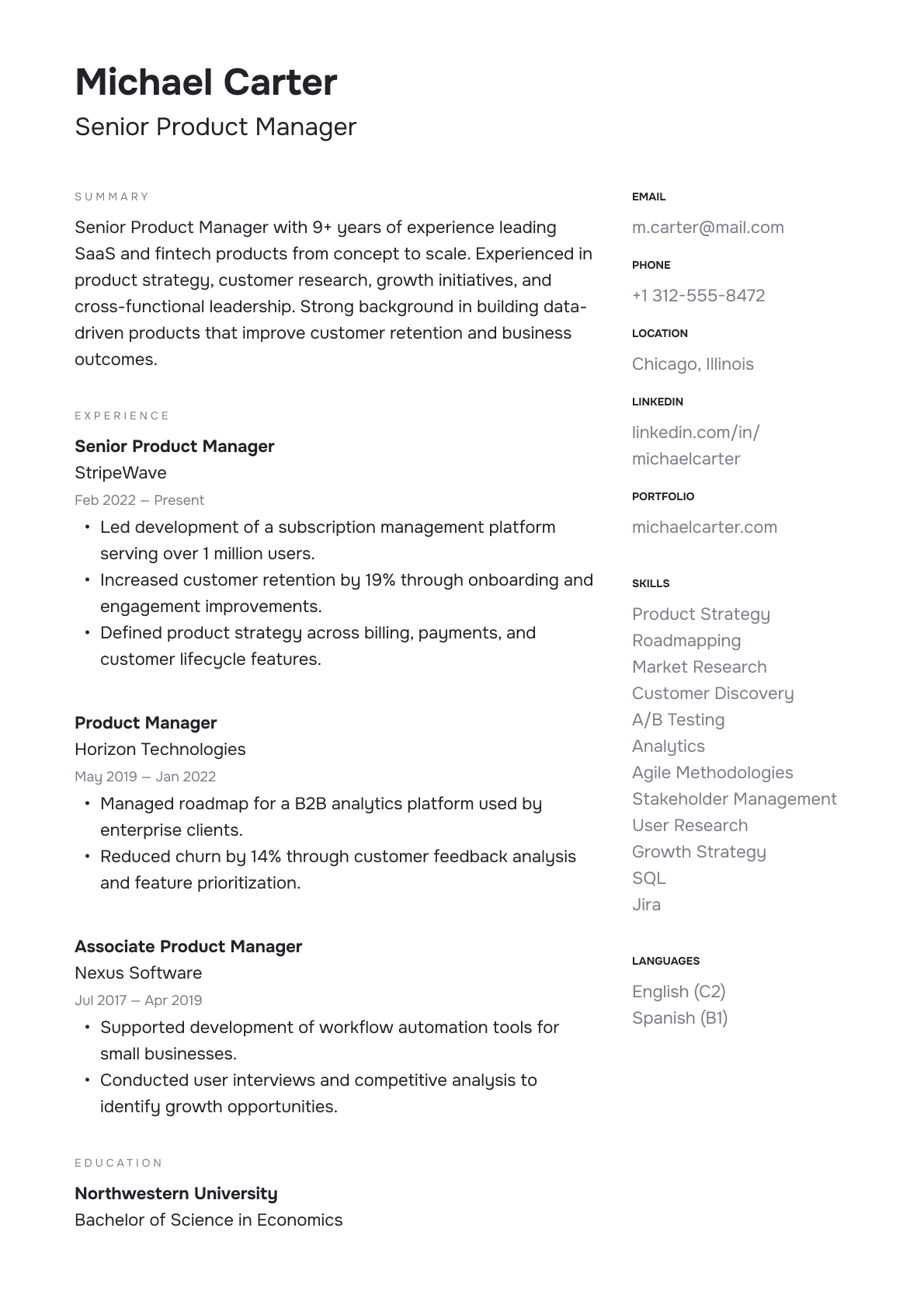
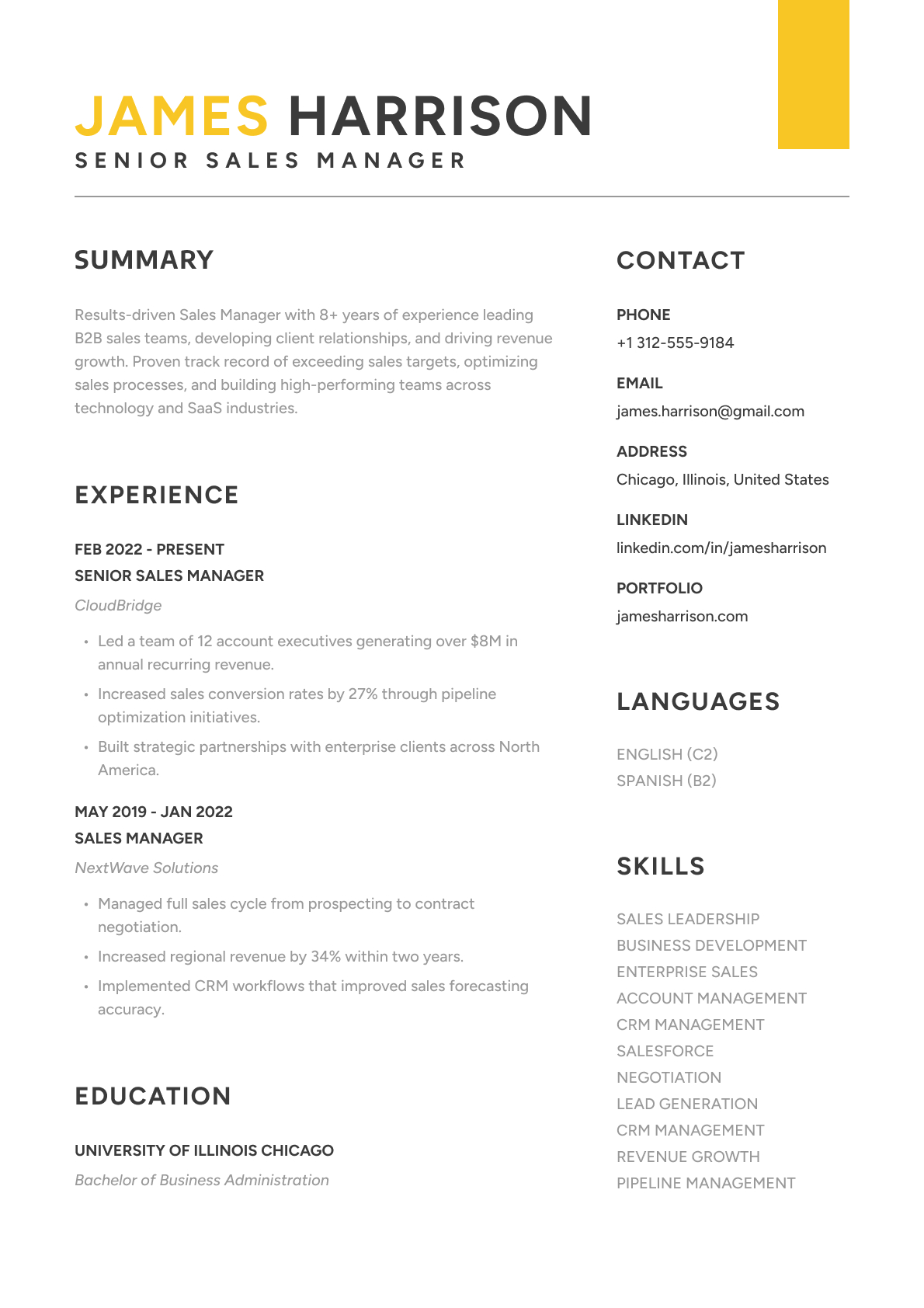
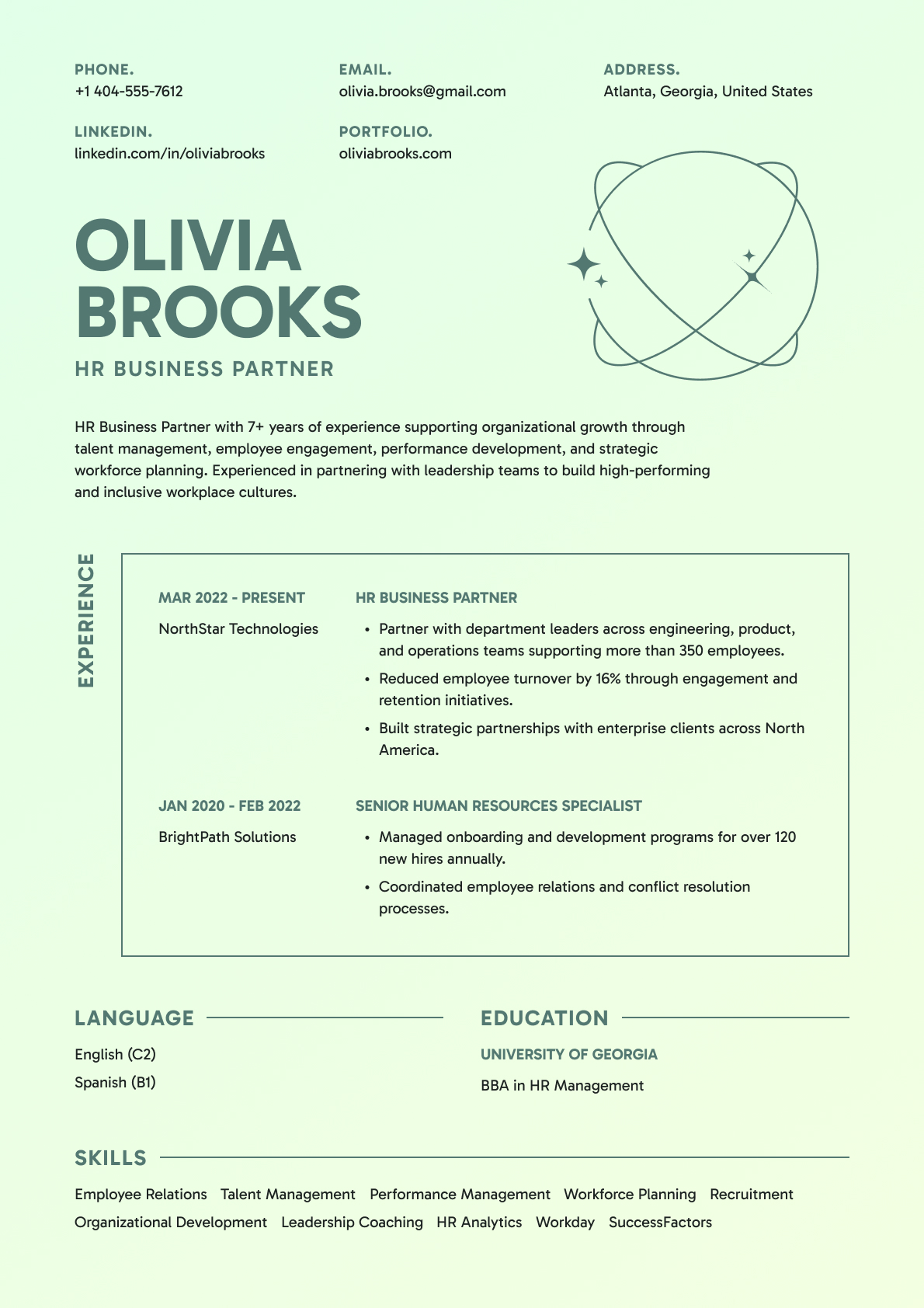
Templates that suit a financial analyst resume
Financial Analyst resume FAQ
Build your financial analyst resume
Paste the job posting and your notes — get a keyword-aligned, ATS-ready resume in minutes. Preview free.
Build my resume